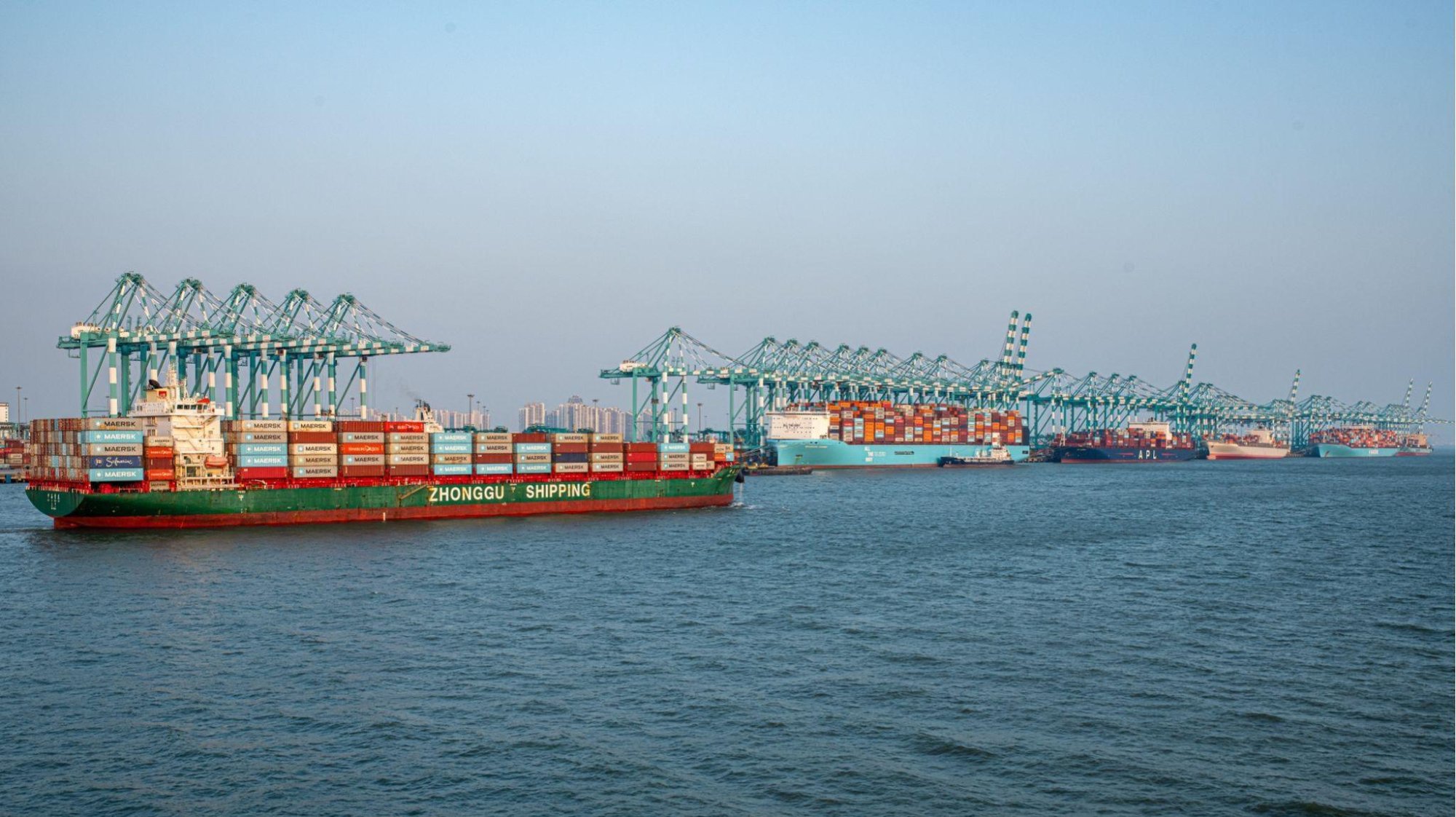
Guangzhou Port is the main maritime gateway to Southern China. Its history dates back to the Qin and Han dynasties, while during the Tang and Song dynasties, the Maritime Silk Road began here. Today, it is an ultra-modern port equipped with the latest cargo-handling technologies.
The port is located in the Pearl River (Zhujiang) Delta, on the South China Sea, near Hong Kong and Macau. Last year, the port handled more than 690 million tonnes of cargo. Its container throughput exceeded 28 million TEUs*.
*TEU is a standard unit used to measure the capacity of cargo ships. One TEU is equivalent to one twenty-foot container.
The infrastructure allows the port to handle various types of cargo, including:
And much more. The hub is directly connected to the industrial centers of the Pearl River Delta and the country's southwestern regions. The local climate is warm and rainy subtropical, while the port's waters are protected from strong waves.
The port has more than 800 berths in total. The maritime approach channel (from Anzhou Island to the Huangpu district) is 160 km long, with depths ranging from 13 to 17 m along different sections. This allows large vessels to enter the port without waiting for high tide.
The automated Nansha Terminal deserves special attention. It is suitable for transportation using the “river–sea–rail” model. Construction of the fifth phase has begun, which will increase the port's handling capacity. The maritime hub is connected to ports around the world through international routes. In 2025, it had 182 international shipping routes.
What are the key features of cargo transportation?
A task such as finding suppliers in China can turn into a real logistics puzzle. How can you collect cargo from across the country and combine it into one shipment? We have our own warehouse in China, where we provide cargo consolidation services.
Guangzhou Seaport operates around the clock, seven days a week. However, cargo movement slows down before and during national holidays. The surge in demand leads to container shortages. Plan your shipments in advance and take the holiday calendar into account. During peak periods, cargo should be delivered to the terminal 2–3 weeks before the holidays begin.
You should also keep the typhoon season in mind, which lasts from July to November. Due to bad weather, terminals — especially the deep-water Nansha Terminal — may suspend operations for several days.
Since cargo delivery from China to Ukraine is multimodal — by sea to European hubs, followed by road transit to the border — it is essential to pay even closer attention to delivery schedules.
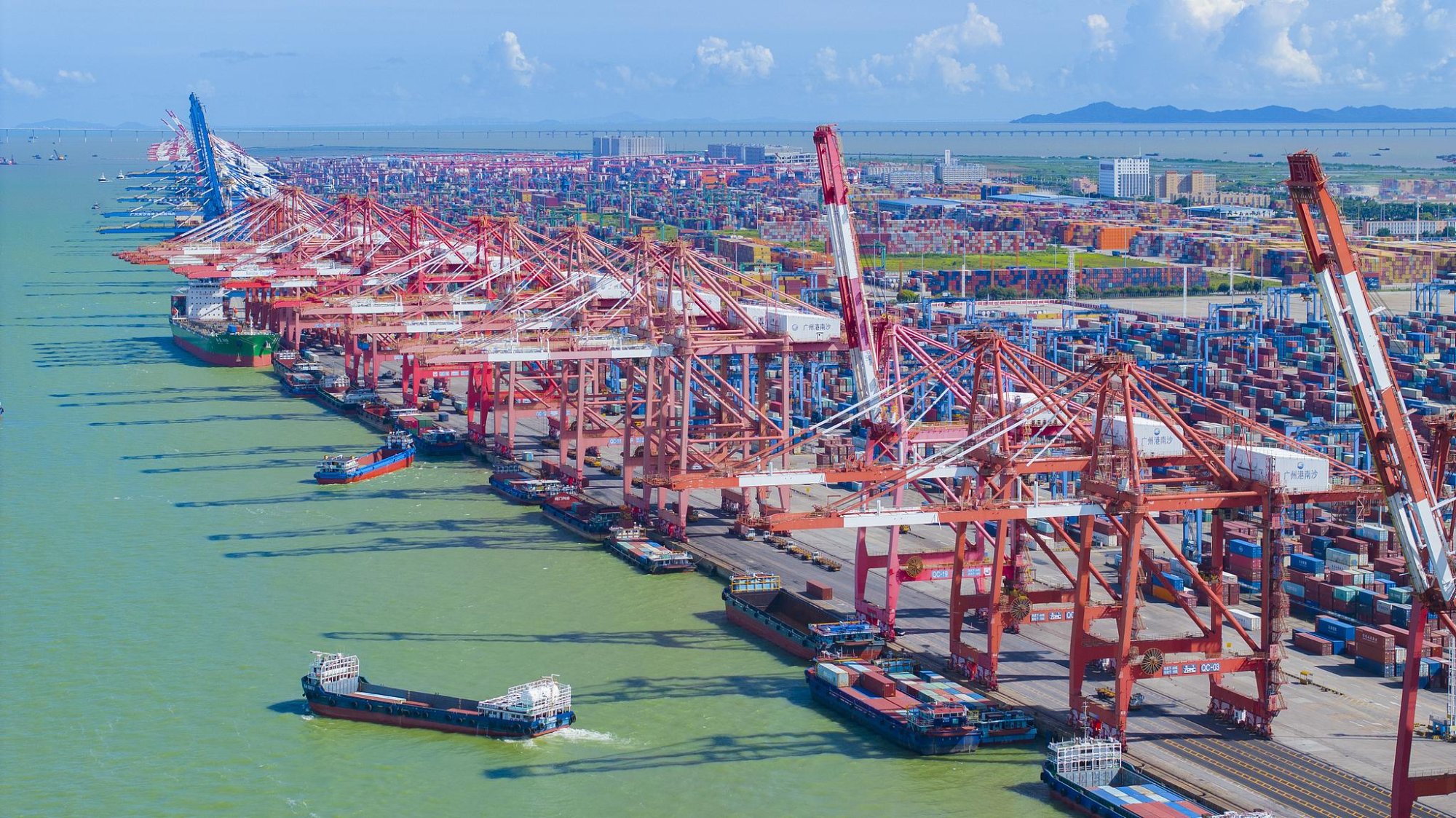
When organizing a shipment, you should consider more than just the distance to the port. For companies purchasing goods from several suppliers, consolidating cargo at a warehouse in China helps combine shipments into one consignment. This simplifies the subsequent logistics process.
If the manufacturing facility is located close to the coast, it is worth comparing road and rail transportation options. The multimodal route via Nansha combines rail and sea freight. In some cases, this can save up to 15–20%.
When calculating the cost, we take into account freight charges, domestic logistics, warehouse handling, and port fees, including cargo handling, container terminal handling, loading and unloading, terminal storage, pilotage services, and more.
Cargo from warehouses in central Guangzhou or Foshan, where DiFFreight provides warehousing services in China, can conveniently be shipped through river terminals or Huangpu. For ocean shipments to Europe, the USA, Africa, and the Middle East, Nansha terminals serve as the main departure point.
Customs control zones and bonded warehouses operate in the port area. Shippers can consolidate, label, and repack goods without paying duties until the shipment is ready. Planning to purchase goods in China for import into Ukraine? Use DiFFreight's customs brokerage services. Our brokers will help you obtain and prepare the necessary documents.
Automated systems have significantly reduced loading and unloading times. These include new technologies such as autonomous transport vehicles and even smart cranes. Export customs clearance is the exporter's responsibility. Cargo must be correctly classified under the appropriate HS code and accompanied by an export declaration and a complete set of documents.
Guangzhou Port is a key hub in global trade. International shipping accounts for more than 50% of its total container throughput. China exports consumer goods, electronics, industrial equipment, and vehicles. Express lines for e-commerce help reduce parcel delivery times.
Efficient sea freight requires professional freight forwarding services. DiFFreight handles the entire import process on a turnkey basis: we find the manufacturer, purchase the goods, inspect the shipment for quality, organize logistics, and oversee customs clearance in Ukraine.






 Valid: