While Ukrainian entrepreneurs are well familiar with the concepts of import and export, reimport still remains a mystery for many. This is not surprising, as it is very difficult to independently understand the complicated wording of customs legislation. Today, DiFFreight experts will explain what this customs regime is and when it can be applied.
Reimport is a customs regime under which goods previously exported outside the country are brought back. The main requirement for return is that the products remain unchanged. Any modernization or processing makes the procedure impossible.
Examples of reimport:
When it can be applied:
When it cannot be applied:
Conditions of the regime:
It is also worth mentioning re-export — a regime opposite to reimport, when goods previously imported into Ukraine are returned abroad.
The reimport customs regime provides exemption from import duties applicable to this category of goods. However, in reality, everything is not so simple. The entrepreneur is responsible for obtaining approval for duty-free re-entry:
Alcohol and tobacco products are not eligible for the procedure. Reimported goods are subject to sanitary-epidemiological, veterinary, phytosanitary, and other types of control, meaning certification is mandatory where applicable.
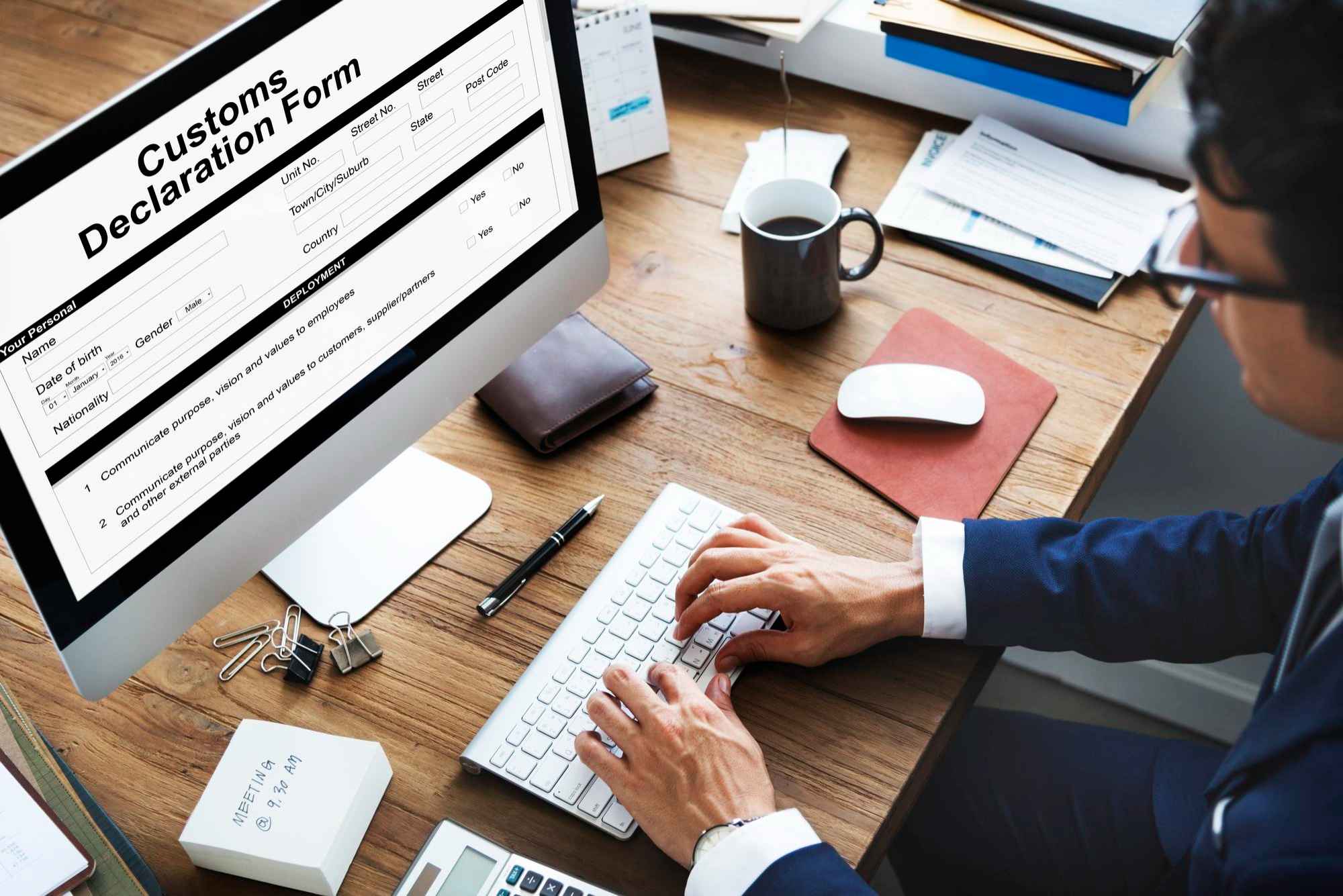
Bureaucracy can become the deciding factor in whether you can return goods without additional payments. DiFFreight provides not only international logistics services but also expert customs broker consultations. A specialist will collect all necessary documents:
A shipment may be returned through any customs checkpoint. Customs authorities reserve the right to refuse the simplified import procedure if the goods cannot be identified or if conditions are violated. In this case, the standard import regime applies with payment of all duties, taxes, and excise fees.
If the goods meet the conditions of the customs regime, they are exempt from:
Classic customs clearance does not apply to reimport, but certain fees may still be charged. If the products belonged to categories covered by export benefits, the exporter must repay them.
Considering all the complexities of customs clearance, it is best to use the services of a customs broker. Otherwise, you risk paying for your cargo again as if it were a new import. This can be a serious financial burden considering logistics costs and other expenses.
In international trade, not all deliveries end successfully. In situations where you need to return your own goods, reimport becomes the optimal solution.
If you are dealing with returns or need optimal transportation routes for equipment and machinery, contact DiFFreight. We will handle not only delivery but also customs clearance so that you do not overpay. Still have questions? Schedule a consultation with our brokers to learn all the details and be prepared for any scenario.
Re-import is the process of bringing goods back into Ukraine after they were previously exported abroad. The key condition is that the products must return without being altered or processed.
In most cases, goods placed under the re-import customs regime are exempt from import duties and excise tax. However, all customs requirements and proof of origin must be provided.
You will need the export declaration, foreign trade contract, invoices, transport documents, and proof explaining the reason for the return. Identification documents for the goods are also required.
The regime cannot be used if the goods were modified, processed, or changed abroad. For example, if the products were upgraded or used as raw materials for a new product.

 Valid: