Business owners involved in importing should understand how feeder vessels operate. While much is known about “traditional” sea freight, feeder shipping often remains in the background. However, this approach makes it possible to deliver goods from the most remote regions, often faster and more cheaply than alternative routes.
When it comes to imports, people often talk about transportation from the largest, best-known hubs. However, shipping is not limited to these hubs alone. The well-developed infrastructure along coastlines and even rivers should not be overlooked.
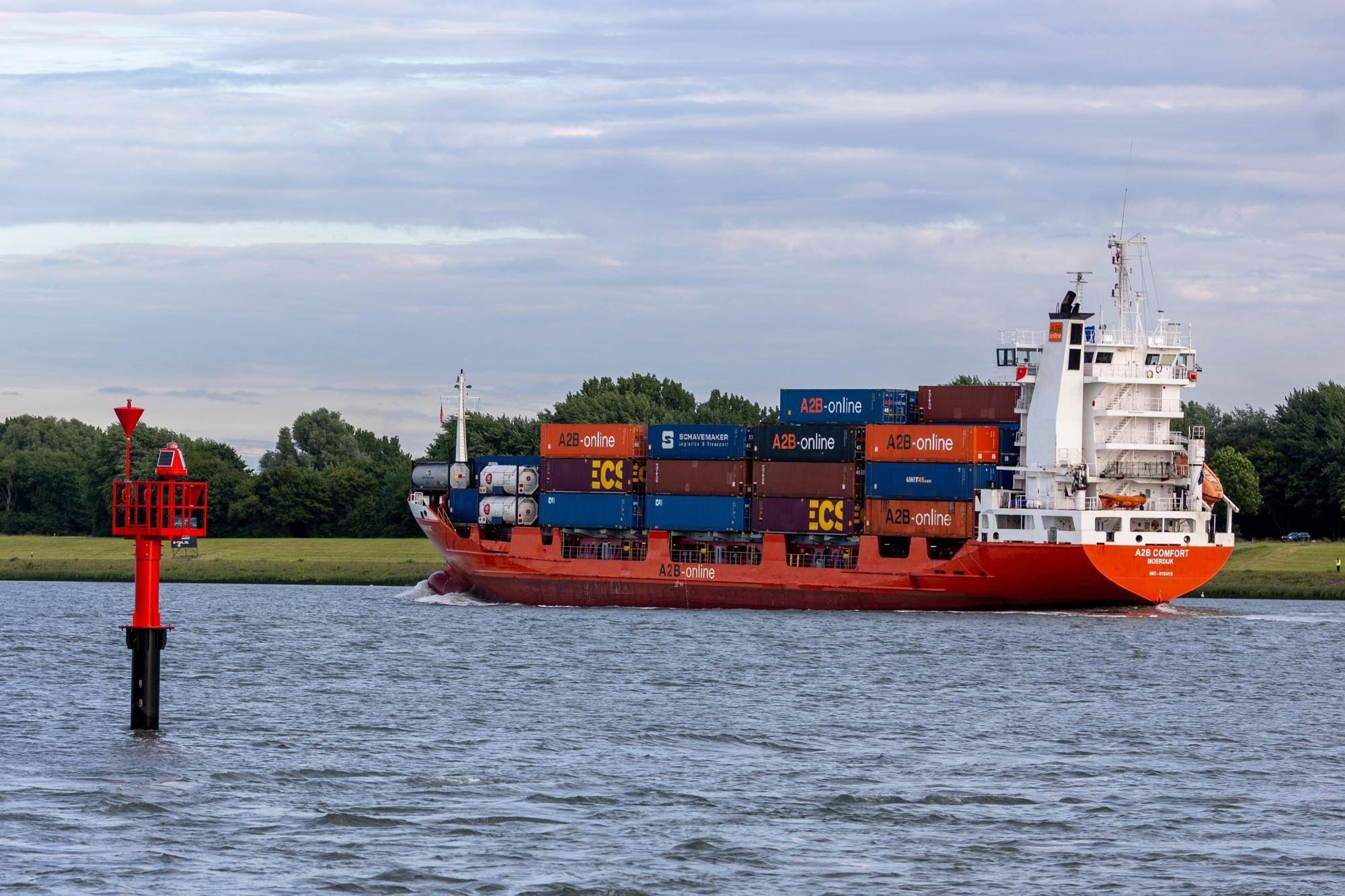
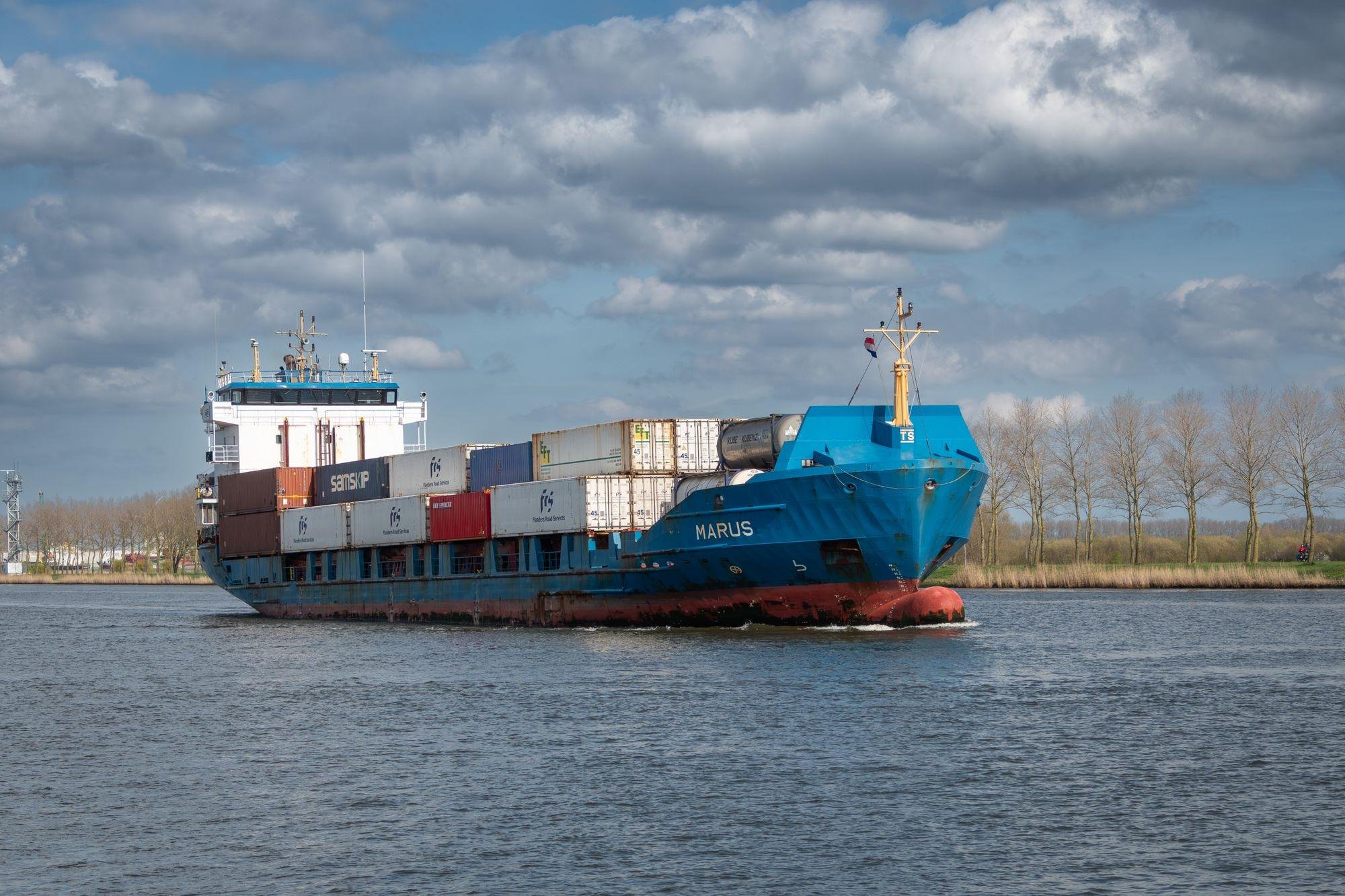
Feeder shipping is a type of container transportation between regional terminals and major ocean ports. These routes are operated by specialized vessels. What is a feeder vessel? It is a relatively small container ship that operates on open-sea routes and in coastal waters. Its main features include:
To sum up, ocean-going container ships carry huge volumes of cargo and call at major ports. They can be compared to intercity buses that travel for several hours, stopping only in regional centers. Feeder vessels, on the other hand, are more like minibuses with frequent stops, thanks to their smaller size and lower tonnage, regardless of the available infrastructure.
Container feeder shipping combines ocean freight with regional distribution. It is essential because ultra-large vessels can only enter a limited number of ports due to their dimensions and draft.
Let's look at one possible route:
The main challenge lies in precise synchronization and the so-called “time window system.” If the ocean-going vessel is delayed, the feeder vessel may either depart without it or wait, resulting in additional downtime. On average, container transshipment takes 4–7 days.
Feeder shipping complements international logistics services, but it has both advantages and disadvantages.
Feeder vessels connect regional terminals with major hubs. Thanks to their smaller size, they can enter ports that are inaccessible to ocean-going vessels. This makes it possible to use mainline routes and arrange short-distance onward transportation without complicated logistics.
This type of transportation allows businesses to choose alternative routes and unloading ports. Instead of a direct voyage on a giant container ship, an additional route with fast transit can be used. This approach makes it easier to respond to changes in terminal congestion. Further delivery is arranged from the final point. Feeder shipping fits perfectly into multimodal logistics schemes.
The shipper pays for the actual transportation leg without overpaying for unused capacity on mainline vessels. In some cases, this model is more cost-effective than air or road freight. Compared with conventional sea freight, the cost-effectiveness depends on the route and shipment volume.
One major advantage of these services is their frequent departure schedules. There is no need to wait weeks for all the containers to be assembled. Feeder shipping can also involve consolidation, meaning that shipments for several consignees are combined on one vessel.
Despite its advantages, this shipping model has several specific considerations:
Feeder shipping is not a universal solution suitable for every type of delivery.
Since feeder shipping involves a chain of several transshipments and vessel changes, professional freight forwarding is extremely important:
Professional freight forwarding reduces the risk of delays at hubs and ensures that the entire process runs smoothly.
In certain situations, this shipping model is the best option. For example, if you import small and medium-sized shipments from remote regions such as China, the USA, or Canada. You should also consider this option for routes where direct shipping involves a high risk of delays.
Understanding how feeder shipping works helps you make the right choice when importing or exporting goods. Book a consultation with DiFFreight experts — we'll find the best routes for your cargo.






 Valid: