
Article content:
International trade is a puzzle with moving parts: finding goods, negotiating with suppliers, preparing documents, and delivering cargo to the customer. It is at the final stage that a key figure appears — the freight forwarder. Many people underestimate these specialists, so today we explain their role in transportation.
A freight forwarder is an individual or company that organizes the entire transportation process. Logistics in a broad sense is strategy, while freight forwarding is tactics — how the plan is implemented in practice.
Freight forwarding includes a wide range of cargo support services, such as:
A forwarder relieves business owners from personally controlling every kilometer of the route and often combines several roles. For example, a driver-forwarder who transports goods themselves, or a logistics forwarder who calculates timelines and costs. An international freight forwarder organizes cross-border transportation.
The work starts long before the cargo leaves the shipping warehouse and ends when it reaches the customer. The core responsibilities include:
Responsibilities may vary depending on company scale and project scope. One common myth to dispel is that a freight forwarder must personally accompany the cargo. In reality, they control the process using data from other supply chain participants, such as shipping lines or airlines.
At the same time, the forwarder is responsible for the cargo. In case of damage or theft during transit, the company (or the forwarder) compensates the client. This is usually covered by professional insurance.
Freight forwarders are often confused with logisticians. A logistician is like an architect designing a building — they create the overall plan: where to build, which materials to source, and how to organize flows. Logisticians think globally in terms of supply chains.
A freight forwarder, in this analogy, is the site manager. They work directly “in the field”: finding transport, choosing the best route, and organizing loading to ensure cargo safety. The forwarder handles a specific shipment for a specific client, while the logistician manages the overall supply chain.
Difference from a dispatcher.
A dispatcher works on the carrier’s side, coordinating drivers along routes. Their task is to match cargo with vehicles to avoid downtime. They do not bear legal responsibility for the goods.
Difference from a customs broker.
A customs broker is responsible for cargo legalization. Their scope is customs clearance and documentation. Brokers are not involved in transportation planning.
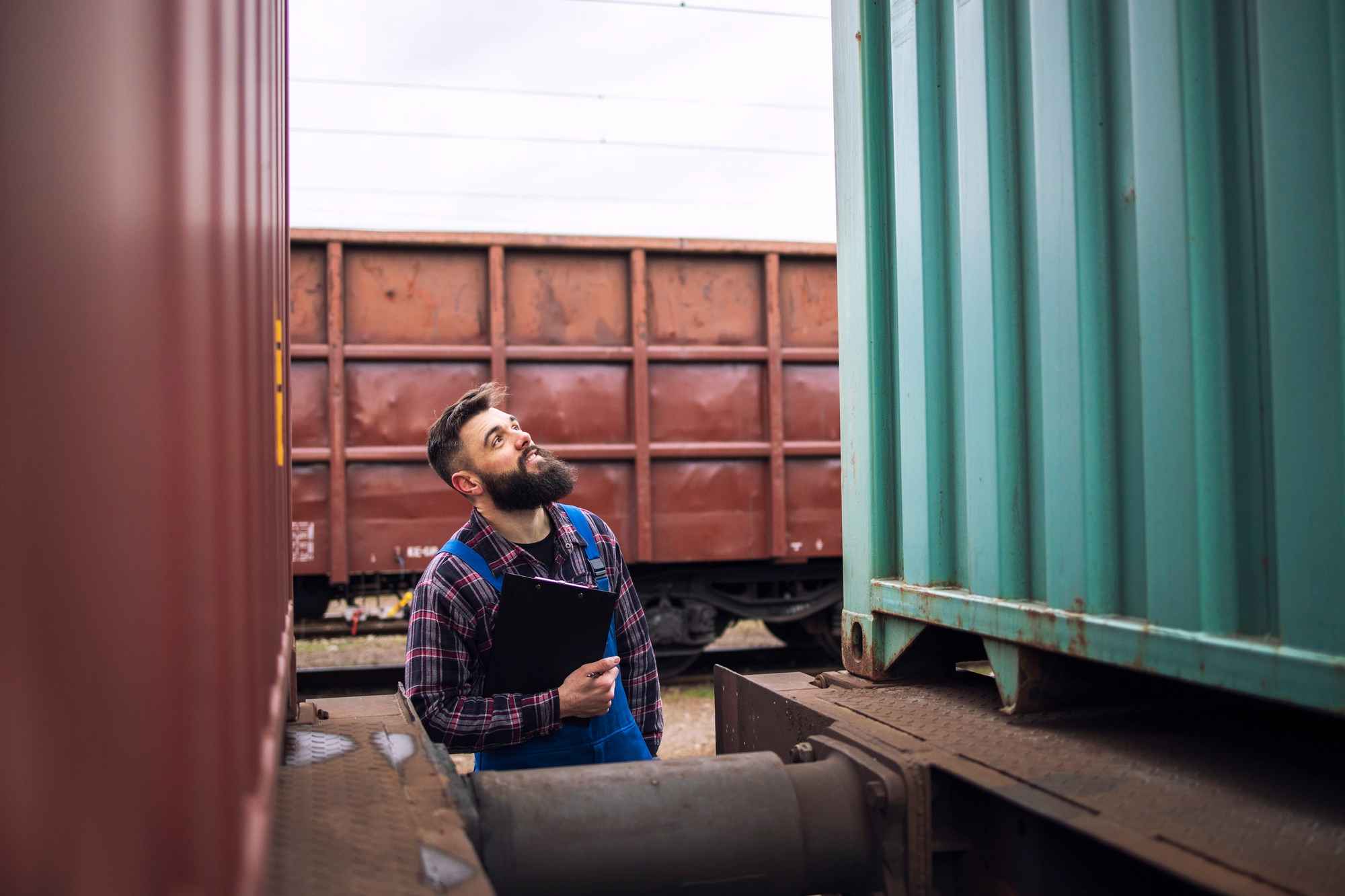
International transportation, especially from China and Europe, involves many nuances. A freight forwarder considers everything — from infrastructure specifics to packaging requirements and tariff formation. Here’s why this specialist is valuable for businesses:
A freight forwarder in logistics is not just a driver or an escort — they are an effective manager of the entire supply chain. For import- and export-oriented businesses, hiring a forwarder is an investment in stability.
We invite you to use DiFFreight services — we provide professional freight forwarding from China, the USA, and Europe.
A freight forwarder is a specialist or company that organizes cargo transportation, manages documentation, and coordinates the entire shipping process between all parties involved.
They select transport methods, plan routes, prepare documents, track shipments, and handle any issues during delivery.
A logistics manager handles overall supply chain strategy, while a freight forwarder focuses on executing and managing specific shipments.
They help save time, reduce risks, and optimize shipping costs by leveraging their expertise and industry connections.







 Valid: