Any handling of chemical cargo requires strict compliance with safety regulations. In logistics, MSDS is not just a set of letters, but an essential document for the legal and safe transportation of hazardous substances. Let’s take a closer look at what it is, why it matters, and how to obtain it.
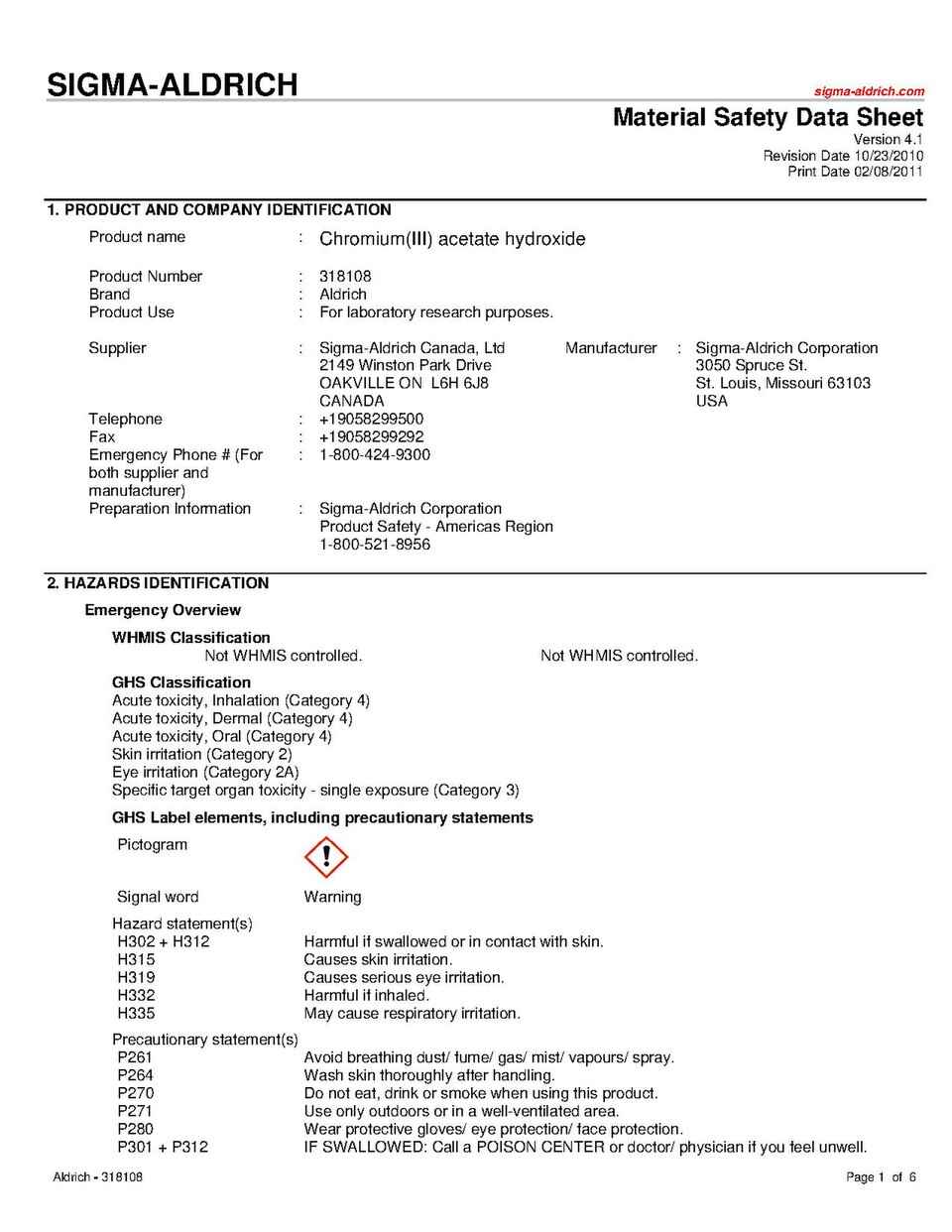
MSDS stands for Material Safety Data Sheet. In international practice, the abbreviation SDS is also used, which means the same thing.
MSDS is a safety passport for chemical products. In simple terms, it is a detailed document for everyone who comes into contact with the substance: drivers, warehouse workers, emergency services, etc. The document is required at all stages — from production to disposal.
Important! The document is not a quality certificate, but it defines rules for handling the cargo and safety requirements. Without SDS, it is impossible to complete customs declarations, obtain permits for dangerous goods transportation (ADR), or conclude warehouse storage agreements.
Safety data sheets are compiled according to national, European, and international regulations:
To correctly read an SDS, it is important to understand three key standards. GHS is a unified “language” of safety with globally accepted labeling of chemicals. It introduced hazard pictograms in diamond shapes (flame, skull, exclamation mark), understandable worldwide.
OSHA is a U.S. authority that sets occupational safety standards. Although it is an American organization, its requirements are often considered a benchmark for international MSDS. If you ship hazardous goods to the USA, knowledge of OSHA standards is mandatory.
NFPA is the National Fire Protection Association in the USA. In Ukraine, NFPA standards are used with a “colored diamond” marking system with numbers from 0 to 4. This sign informs responders about hazard levels during fire incidents.
Why the document is needed:
The document is mandatory for hazardous goods, household chemicals, batteries, and some electronics.
How to obtain MSDS? It can be provided by the manufacturer or ordered from specialized laboratories.
It consists of 16 sections:
| No. | Section | Description |
| 1 | Identification | Manufacturer details |
| 2 | Hazard identification | Labels |
| 3 | Composition | Ingredients |
| 4 | First aid | Emergency actions |
| 5 | Firefighting | Extinguishing methods |
| 6 | Accidental release | Spill handling |
| 7 | Handling | Storage rules |
| 8 | Exposure control | PPE |
| 9 | Properties | Physical data |
| 10 | Stability | Reactions |
| 11 | Toxicology | Effects |
| 12 | Ecology | Environmental impact |
| 13 | Disposal | Waste handling |
| 14 | Transport | UN number |
| 15 | Regulation | Laws |
| 16 | Other | Additional info |
Example: antiseptic → UN 1170 = flammable cargo.
Since we provide international logistics services, let us focus on the variety of measures required when transporting such cargo:
The logistics of hazardous goods and chemicals is a highly complex field. It is important not only to create optimal transportation conditions but also to properly train personnel on how to act in emergency situations.
As mentioned above, the safety data sheet specifies requirements for storage and disposal. Specific measures depend on the hazard class, explosiveness, and other characteristics of the chemical or dangerous cargo.
Not all warehouses are suitable for such goods: some products require strict temperature control, proper ventilation, or zoning of storage areas. Proper placement is also critical to prevent dangerous chemical reactions between substances.
In Ukraine, it is prohibited to simply pour chemicals into sewage systems or wastewater, as well as to dispose of containers with general household waste. In most cases, disposal is handled by specialized companies that have the necessary permits and equipment.
The MSDS safety certificate, as it is often called, is the foundation of safety in logistics. Without this document, many goods are not even allowed for transportation, let alone customs clearance.
MSDS (Material Safety Data Sheet) is a document that provides information about a product’s composition, hazards, and safe handling guidelines.
It is required for shipping chemicals, cosmetics, batteries, and other potentially hazardous goods.
It is usually provided by the manufacturer, but can also be prepared by certified laboratories or agencies.
The shipment may be delayed at customs or rejected due to safety compliance issues.








 Valid: