.jpg)
Product-based businesses inevitably face the challenge of how to deliver a package to the customer quickly, without damage, and at a convenient time. These tasks are handled by last mile logistics (the final mile). It has become not just one of the stages of the supply chain, but a competitive advantage that can turn a buyer into a repeat customer or drive them to competitors.
Last mile is the final stage of the logistics chain, which, in addition to its practical function, also shapes a positive customer experience. Why is last mile the most expensive part of the journey:
The main task of last mile is to ensure the safe and convenient handover of cargo on time. But there are others:
It may seem that such a short segment could not be more complicated than international logistics services. The reason is that the last mile is affected by many factors — from weather, roadworks, and traffic jams to the capabilities of couriers, postal operators, and warehouses. Even the human factor during hand-to-hand delivery can negatively affect the customer experience.
Last mile is important for:
Thus, at the final stage, three participants in the chain can be identified: business (sender) — logistics and transport companies — customers (recipients).
The stage begins when the products arrive in the destination country or city at a local warehouse. Last mile transportation can be organized in different ways:
The process itself consists of the following stages:
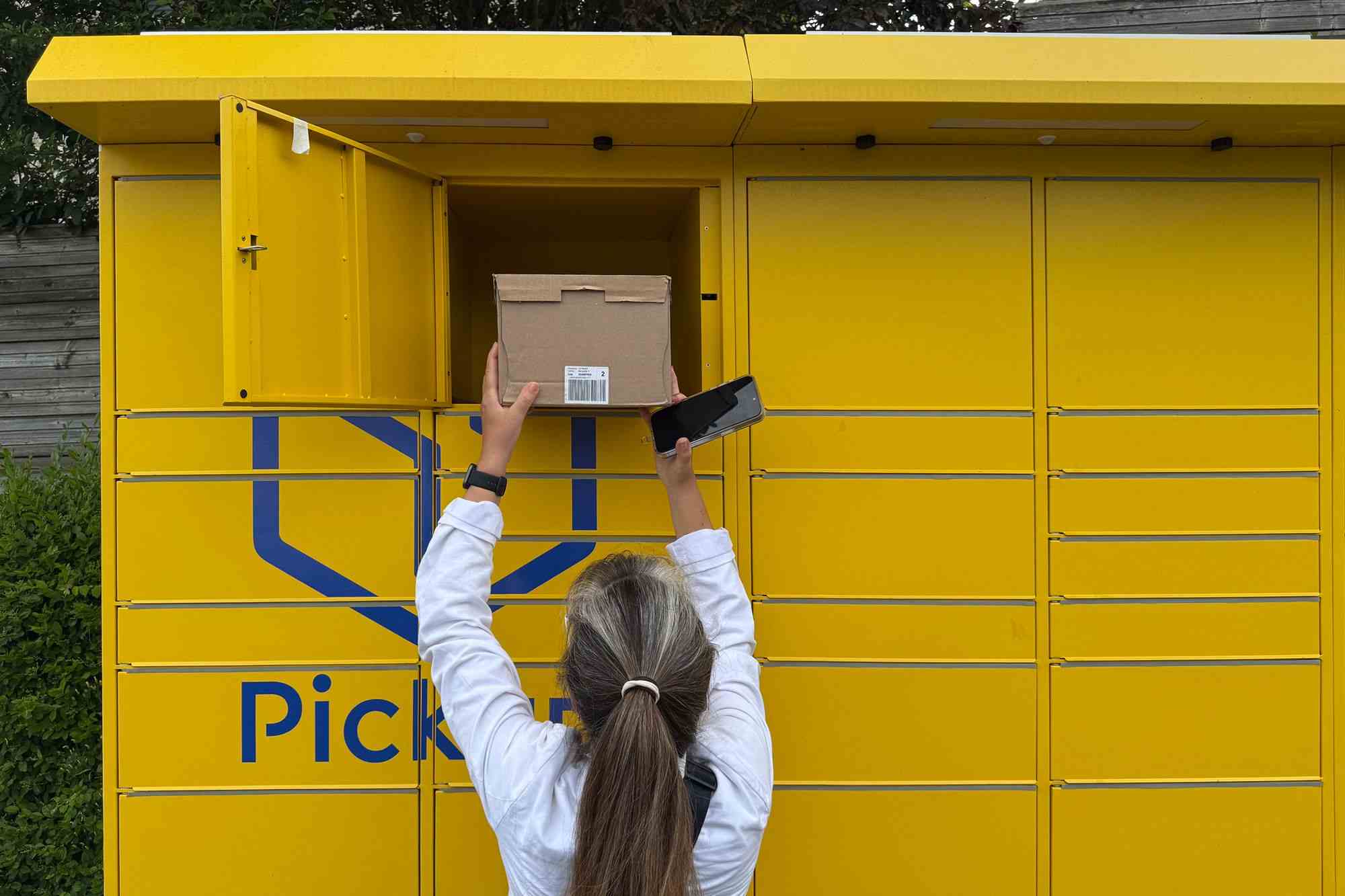
There are many last mile formats. For retail customers (B2C), the most common is door-to-door delivery. For small parcels, pickup points and parcel lockers are convenient, giving customers the freedom to collect goods at any time. For offline store chains, the “Click and Collect” format can be used. The order is placed online, and the customer comes to a convenient location to collect the parcel.
For commerce and business (B2B), last mile works differently. Here, delivery from the supplier to the business predominates. For example, to a physical store, shopping mall, office, food service establishment, hotel, etc. Transportation must be coordinated with the processes of the receiving party.
Even if the previous stages were organized perfectly, poor planning of the final segment creates many risks. This is where delays and additional financial expenses occur most often.
What are the key challenges:
Customers expect delivery to be cheap, fast, and convenient. Therefore, businesses need to track the percentage of successful deliveries, travel time, analyze the cost of each trip, record complaints, and work on service quality. Last mile creates a huge number of tasks that require time and resources.
Optimization is needed to reduce the cost of the most expensive stage of logistics and make it as efficient as possible. For this purpose, IT solutions are used: warehouse management systems (WMS) and transportation management systems (TMS).
But there are also basic steps that businesses of any scale can take:
The most effective way is to delegate the last mile to a professional logistics company or postal operator. This allows businesses to achieve the expected result with minimum costs. Intermediaries already have an established delivery mechanism, a staff of couriers, and a network of pickup points and parcel lockers.
Last mile leaves no room for mistakes. Nothing is worse for a reputation than a parcel that took weeks to arrive or never reached the customer because the courier got lost. More and more businesses choose to delegate the final stage to courier services or postal operators. Investments in an in-house system may be justified, but certainly not for every niche and type of product.





 Valid: