DiFFreight Blog What is logistics in simple words

What is logistics in simple words

What is logistics in simple words

Most people imagine logistics as transportation from point A to point B. But these are far from all its capabilities and functions! It's time to talk about the specialization of DiFFreight — and find out what logistics companies actually do.

Explaining what logistics is

Logistics is the science and practice of managing flows of goods, information, and resources that need to be delivered from the manufacturer to the consumer. Simply put, it answers the question: how to deliver goods at the right time/place, in the right quantity and quality, with minimal cost.

It gained special importance in the Roman Empire: all roads lead to Rome, and logisticians were responsible for the movement of goods and food. At that time, logistics was needed to supply the army. The commercial sphere formed only in the mid-20th century. Today it includes planning, organization, control, and management of all operations related to the movement of goods and resources.

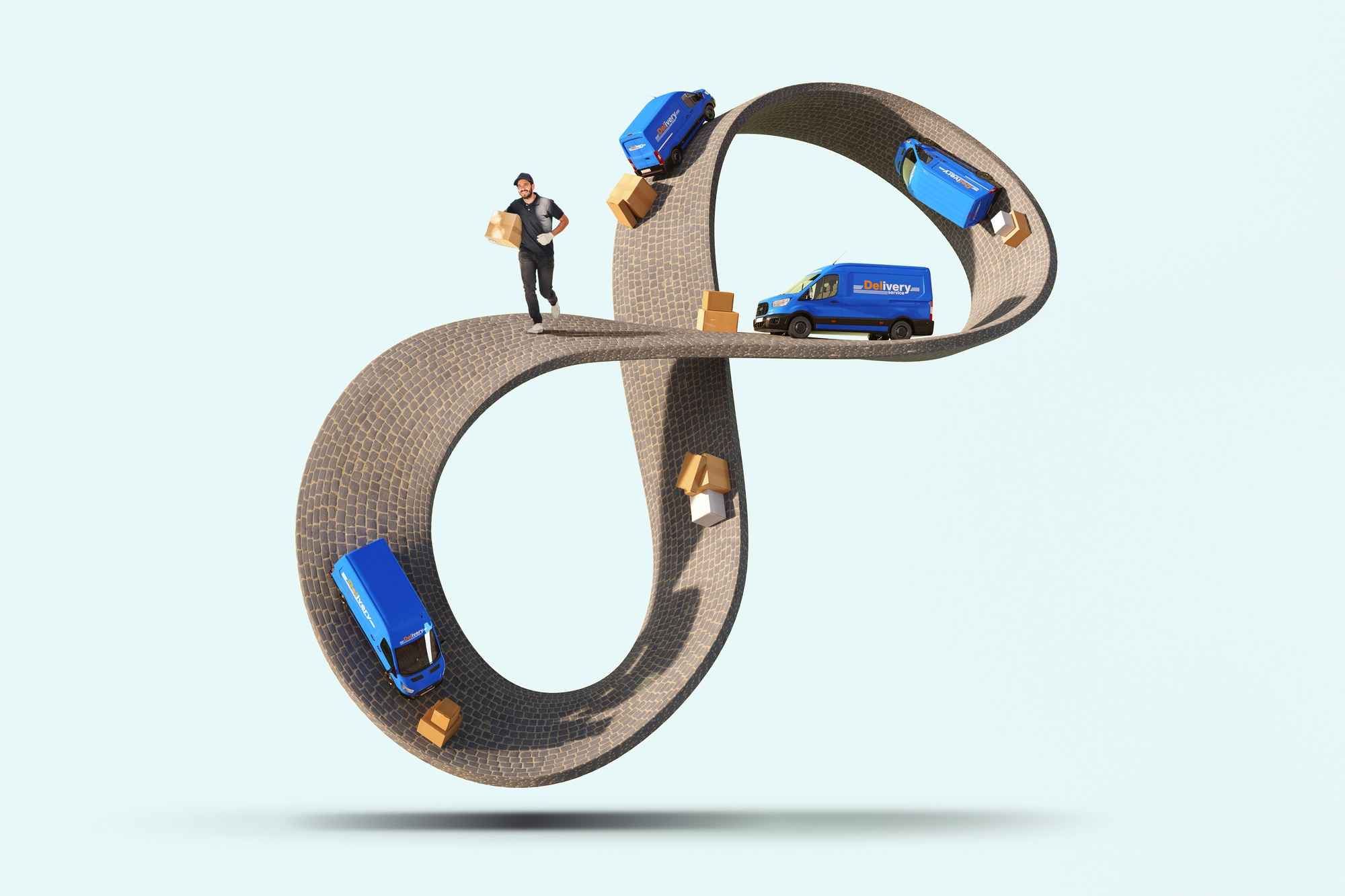
The simplest example is the postal service. Couriers collect parcels from senders, sort and distribute them along optimal routes so they reach recipients on time and at the lowest possible cost.

What logistics does

It covers many areas — and we're sure you didn’t know about many of them! Logistics includes:

  1. Transport logistics. Choosing the best route and means of transport (air, sea, rail or their combination), planning and the delivery process itself.
  2. Warehouse logistics. How and where to store inventory, how to optimize loading/unloading, order fulfillment and long-term storage.
  3. Procurement logistics. Important for businesses and manufacturers: searching for suppliers of materials, raw materials, or goods, often includes quality control.
  4. Information logistics. Managing and processing all documents accompanying the cargo: paperwork, waybills, tracking, data exchange.
  5. Customs logistics. Customs clearance of cargo. Includes collecting necessary documents, paying duties and taxes, and communicating with customs authorities.
  6. Inventory logistics. Defines where and in what quantity to place stock to avoid shortages or excess.

Logistics is an essential part of many processes: delivering food to supermarkets, raw materials to factories, importing foreign goods, exporting to other countries, and much more.
Mini-dictionary of logistics terms

  • Dispatching — managing and controlling cargo movement in real time, assigning tasks to drivers/operators.
  • Inventory — accounting of current stock in the warehouse.
  • Consolidation — combining small batches from different senders into one large shipment (e.g., to fill a container).
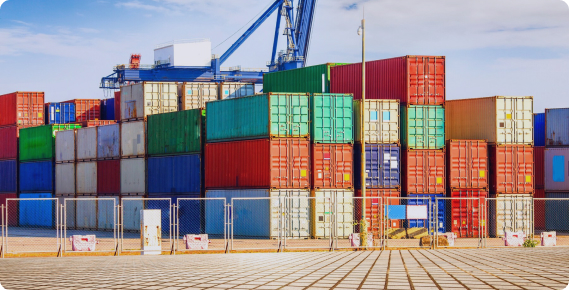
  • Terminal — a special facility for receiving, processing, loading, and unloading cargo.
  • Transit — transportation from one point to another through an intermediate country.
  • Freight — payment for cargo transportation.
  • Supply chain — the entire network of organizations, people, and technologies involved in moving a product.
  • Forwarding — cargo escort; the forwarder handles documentation, controls operations, handles insurance, and tracking.

logistics services
Get more information

Why is logistics so important?

The movement of goods is extremely important for businesses engaged in manufacturing or trading:

  1. Cost reduction. An optimal route, streamlined warehouse processes, and efficient supply management are key to lowering the final price for the consumer, which increases competitiveness.
  2. Gaining customer trust. If the goods arrive on time, undamaged, and at the correct address, this builds a high level of loyalty.
  3. Inventory optimization, meaning solving two major problems: shortage and surplus. When goods are out of stock, this reduces sales. When there is too much — capital is frozen and storage costs are high.
  4. Globalization. International logistics services open access to new markets in both directions: importing goods and exporting products.
  5. Flexibility and resilience of supply chains. Proper logistics allows adaptation to changing demand, seasonal fluctuations, and global crises (pandemic, war). This ensures continuity of transportation, which is critical for business survival.

Thus, logistics is not just the movement of boxes from one place to another, but a strategic tool for increasing efficiency and competitiveness.

What is logistics outsourcing

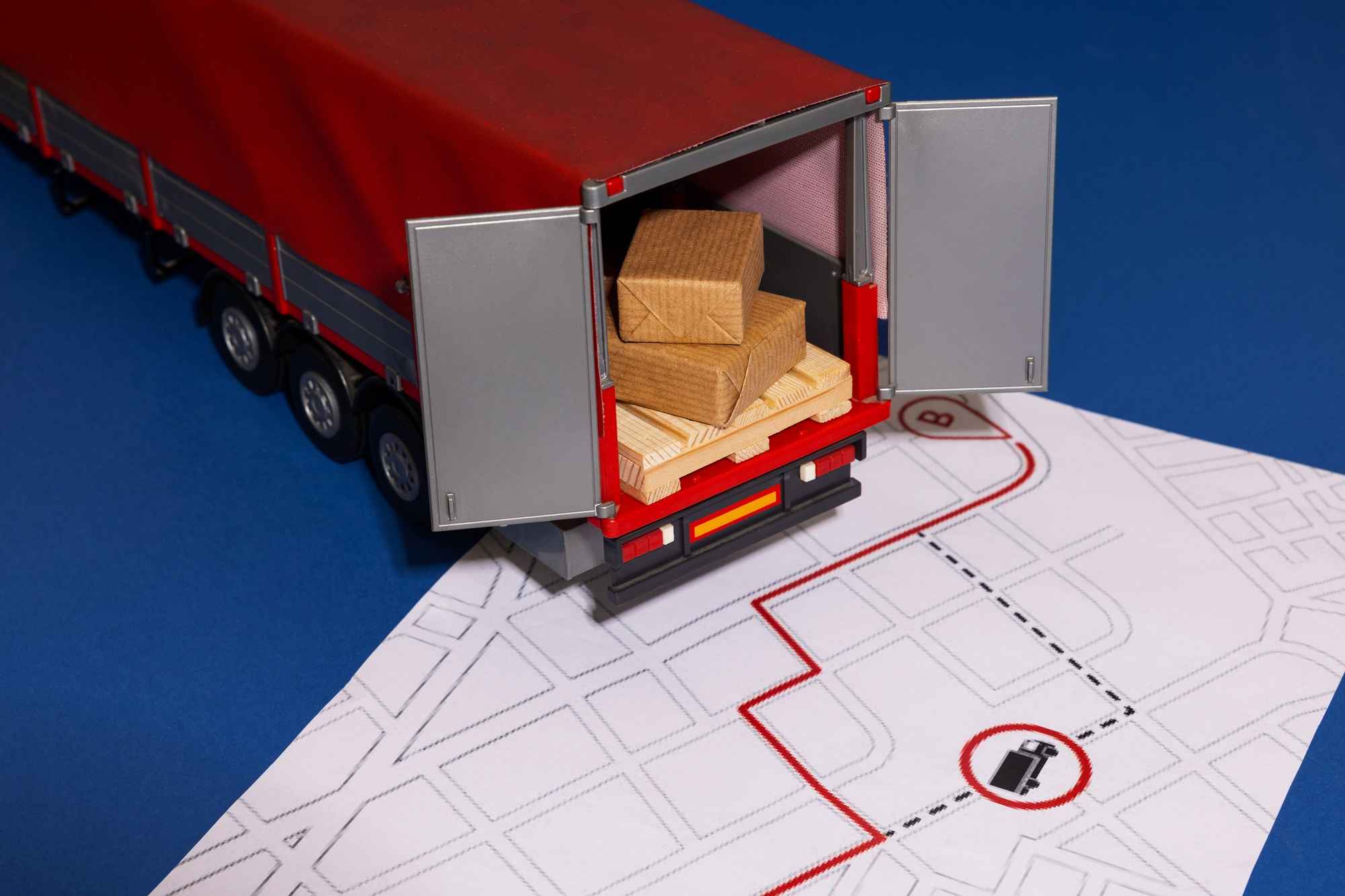
Outsourcing is the transfer of part or all of a process to an intermediary. Suppose you run an online store selling home goods. You can handle purchasing and logistics yourself, or you can entrust them to a 3PL operator.

This can be only the transportation of goods (for example, from China to Ukraine), or a full cycle — from buying out the goods to customs clearance and fulfillment. In the latter case, the operator handles order packaging, shipping, and returns processing.

Most businesses that import products outsource logistics. Why:

  • savings on training and maintaining in-house logisticians;
  • expertise in various directions (for example, from the USA or China);
  • the ability to focus on other tasks related to business development;
  • financial savings: experienced logisticians know how to reduce costs without losing quality.

Distribution and delegation of tasks is a strategic decision. You can hire one contractor who can take over all logistics (including procurement, warehousing, and transportation). Another option is to involve several operators, but you will need to coordinate their work. A third option is to delegate only 1–2 stages, while covering the rest with the company’s own resources. Each of these methods has both advantages and disadvantages.

Order logistics services today

DiFFreight offers a turnkey package, including procurement, warehousing, transportation, and customs logistics. Entrust important business processes to professionals — save your time and resources. Want to delegate purchasing and delivery? Sign up for a consultation — we will be happy to answer all your questions.

FAQ

1. What is logistics and why does a business need it?

Logistics is the set of processes involving transportation, storage, and delivery of goods. It's essential to optimize costs, shorten delivery times, ensure quality, and guarantee timely shipments.

2. What types of logistics exist and how to choose the right one?

Types include sea freight, air freight, road transport, multimodal logistics, and internal logistics (warehousing, inventory). The choice depends on the type of goods, deadlines, budget, and delivery route.

3. What should be considered when planning logistics for international shipments?

Key aspects: customs requirements, correct documentation (invoice, packing list), proper packaging, delivery times, and cargo insurance.

4. What benefits does proper logistics provide to importers and customers?

Proper logistics reduces the risk of damage or loss, shortens delivery times, lowers costs, and increases customer trust — all supporting sustainable business growth.
Useful articles on our blog
How to order on Taobao and get the goods delivered to your country
How to order on Taobao and get the goods delivered to your country Read article
Icon
Fishing Goods Wholesale from China: How to Find Profitable Deals for Business
Fishing Goods Wholesale from China: How to Find Profitable Deals for Business Read article
Icon
What is CFS in logistics and how does it work
What is CFS in logistics and how does it work Read article
Icon