Article content:
In air, sea, rail, and road transportation, cargo safety comes first. Packaging is not just a formality but an important aspect when planning transportation. The risk of mechanical damage, moisture exposure, and sunlight is always relevant: we share information on what is important to consider when choosing.
First of all, the choice depends on the characteristics of the product: weight, dimensions, fragility, and value. Logistics specialists also take into account common risks during transportation — whether it is increased humidity for sea shipping or strong vibrations for road transport. It is worth mentioning that in logistics there is a distinction between the concepts:
Container — this is a container for placing products, for example a container or a wooden crate.
Containers are classified by many parameters: disposable/reusable, individual/group, small-size/large-size, collapsible/non-collapsible, and others. Today we are talking about transport containers — those intended for packaging, storage, and logistics.
Packaging — this is a set of means used to protect cargo; it includes containers, materials, and preservation methods.
For convenience, we will use the word “packaging” in a broad sense, meaning it includes both containers and additional protection means, as is common in international terminology. The most popular solutions are:
Useful to know: in logistics, cargo formed on a pallet is called a cargo unit. During transportation, storage, and handling it is processed as a single whole. A cargo unit can also be a big bag or a crate.
Packaging is responsible not only for safety. Its main functions are:
Logistics specialists can offer different types of cargo packaging, but it is important to remember that packaging adds both volume and weight. It is necessary to maintain a balance between safety and price so as not to overpay for international logistics services.
All types of product packaging can be divided into two large groups — rigid and soft.
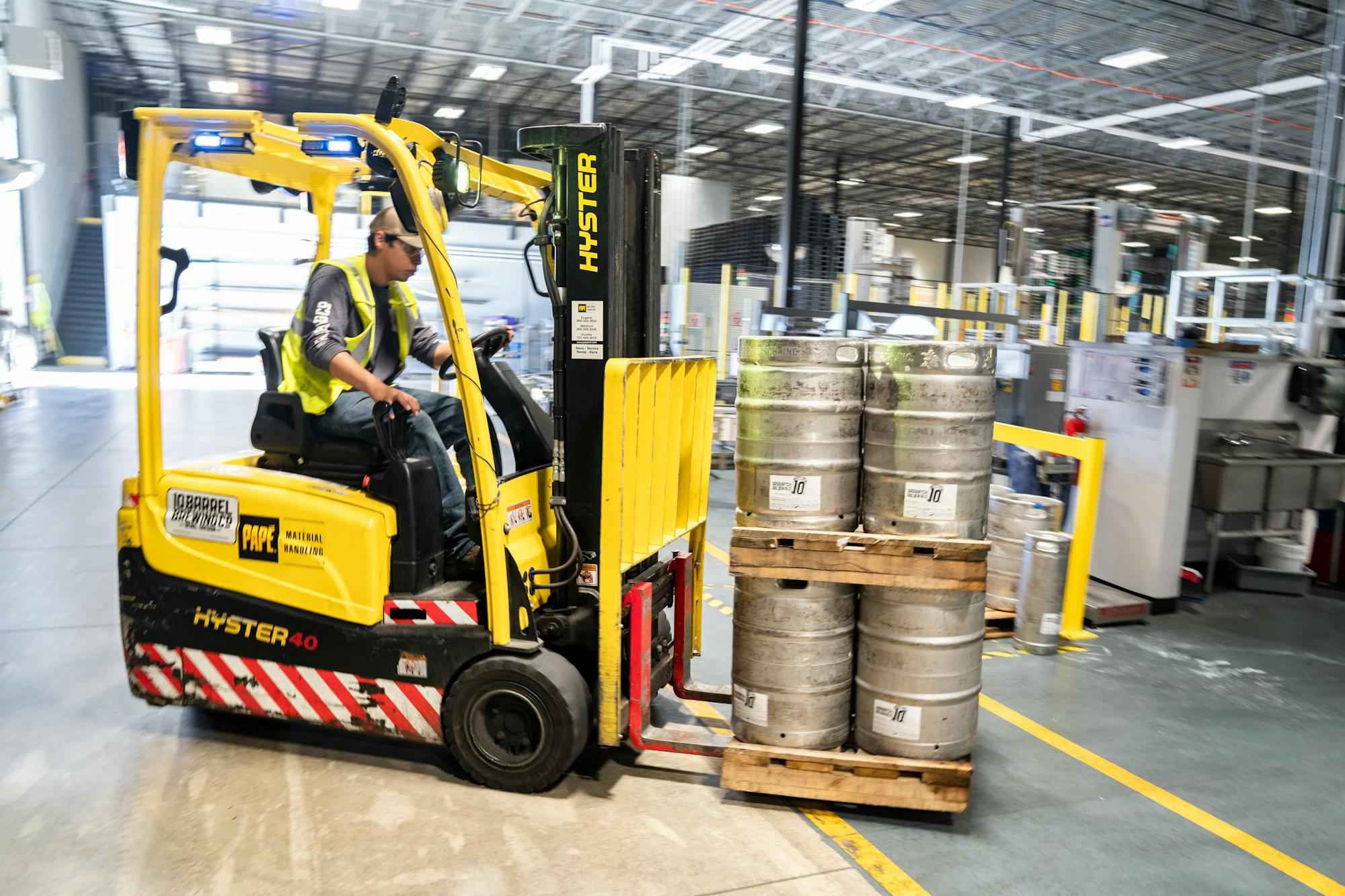
Such containers ensure shape preservation and protect against compression. This group includes:
Drums are used for transporting paste-like goods, and cylinders are used for gases.
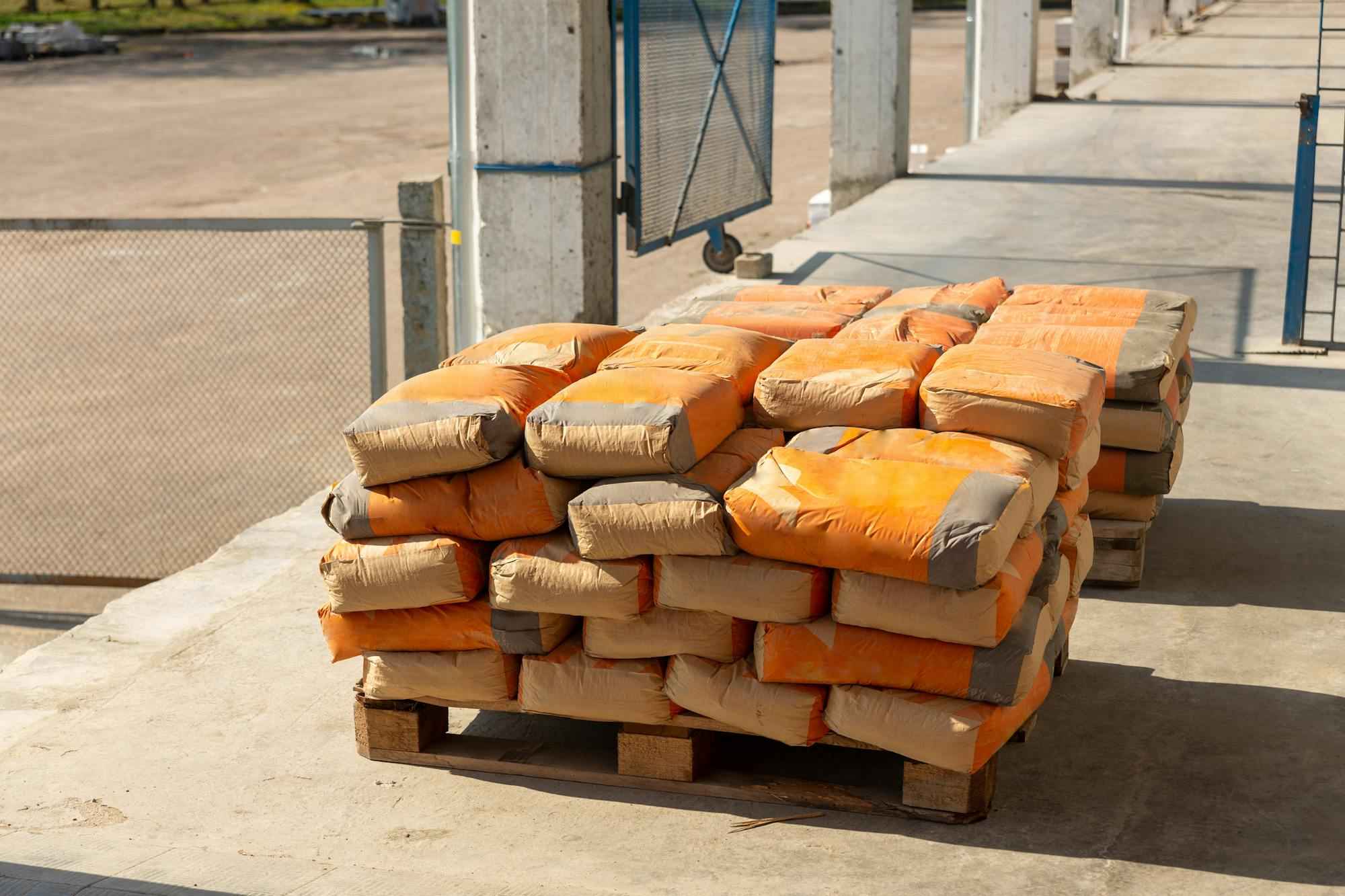
It protects the contents from scratches, moisture, and dust. This category includes:
Soft packaging alone cannot protect cargo from strong mechanical damage. The same big bags can be placed on pallets, and bags can be covered with a wooden crate.
During long-distance transportation, it is rarely limited to just one layer; various materials are added:
Combining materials is a form of insurance in case the main container is damaged. For goods, the “cocoon principle” is used, meaning multilayer protection. The container must also correspond to the methods of fastening in a truck body or container.
When crossing borders, requirements become stricter. Packaging and containers are regulated by international standards, and ignoring them may lead to customs delays, fines, or cargo return. What you need to know:
DiFFreight offers a repackaging service at our warehouse in China. If the supplier has not prepared the goods for transportation, we will select the optimal packaging type to ensure safety at all stages of logistics.
The cost of quality packaging is always lower than the losses from damaged goods. For import/export, it is important to consider not only the type of product and the method of transportation but also international requirements. Not sure which type of packaging to choose to save money? Contact us: DiFFreight logistics experts will recommend the best options.
Common types include cardboard boxes, wooden crates, pallets with shrink wrap, bags for bulk goods, and steel drums for liquids or chemicals. The choice depends on the cargo type, weight, and transportation conditions.
Wooden crates or cases are typically used for fragile, expensive, or oversized goods such as electronics, glass, and industrial equipment. They provide stronger protection against shocks, pressure, and moisture during transportation.
Palletizing combines multiple boxes or goods into one transport unit. This simplifies loading and unloading, allows the use of forklifts, and optimizes container space during shipping.
Liquids are usually transported in steel or plastic drums and industrial IBC containers. Bulk materials such as grains, powders, or pellets are commonly packed in bags or large FIBC containers.





 Valid: