The modern e-commerce market is developing rapidly, leading to increasingly complex logistics processes. At first, entrepreneurs manage operations on their own, but as the business grows, they face shortages of warehouse space, staff, and operational capacity. This is where 3PL operators come in, outsourcing part or all logistics functions.
3PL stands for Third-Party Logistics. Under this model, a provider offers a wide range of services, often covering the entire supply chain—from the moment goods leave production to delivery to the end customer.
How does 3PL logistics work? Let’s look at the example of a retail business selling clothing from China. Once international logistics services are completed, the distribution stage begins.
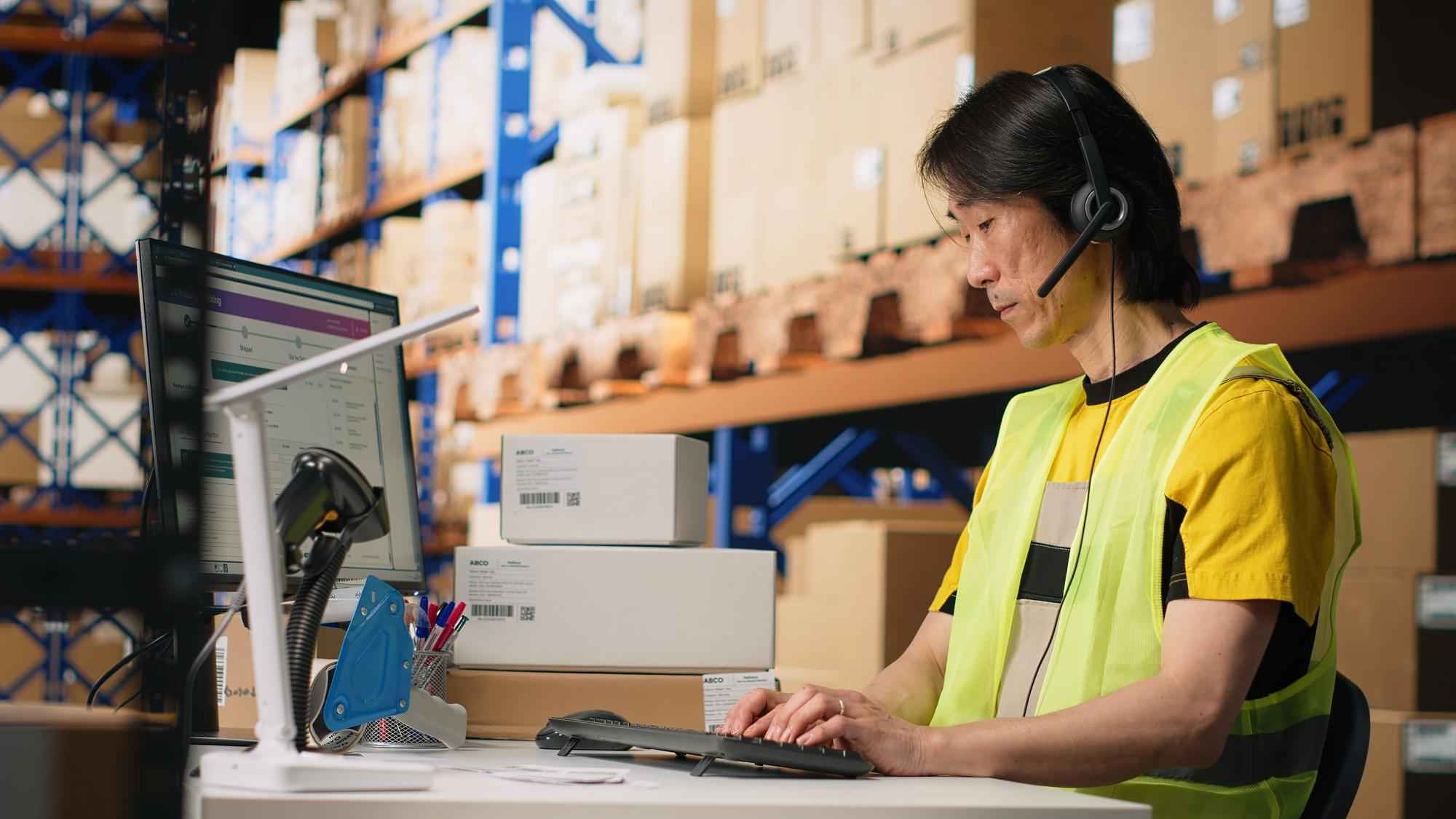
The process starts when the company ships products directly to the 3PL operator’s warehouse. After receiving the goods, they are stored in appropriate warehouse zones. At the same time, inventory data is synchronized with the online store or marketplace catalog.
Thanks to automated inventory management, stock levels are visible in real time. When a customer places an online order, the information is automatically transferred to the provider. Warehouse staff pick and pack the order, apply labels, and prepare it for shipment. Last-mile delivery is either handled by the operator or transferred to partner courier services.
A standard service package typically includes:
In addition to the basics, leading providers offer extra services such as cross-docking (direct transfer without long-term storage) and co-packing (creating promotional bundles and repackaging). Another specialized area is the storage of specific product categories such as food, frozen goods, cosmetics, and pharmaceuticals. These require warehouses that comply with strict temperature and regulatory standards.
As a result, the “third party” handles routine and resource-intensive operations using ready-made logistics solutions.
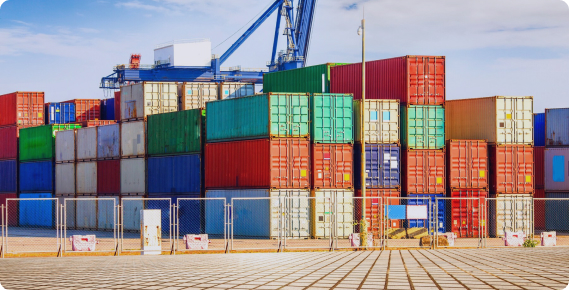
Building an in-house logistics infrastructure requires significant investment both during startup and ongoing operations. Regardless of sales volume, a company must pay staff salaries and cover operational expenses. Working with a 3PL provider shifts these costs into a flexible model: businesses pay only for the space used and the number of orders processed.
3PL also solves the issue of seasonality. During peak sales periods, in-house logistics may struggle to handle increased order volumes. Large operators can scale operations quickly without major additional investments.
As a result, entrepreneurs save on equipment depreciation, warehouse rental, hiring, training, and staff management.
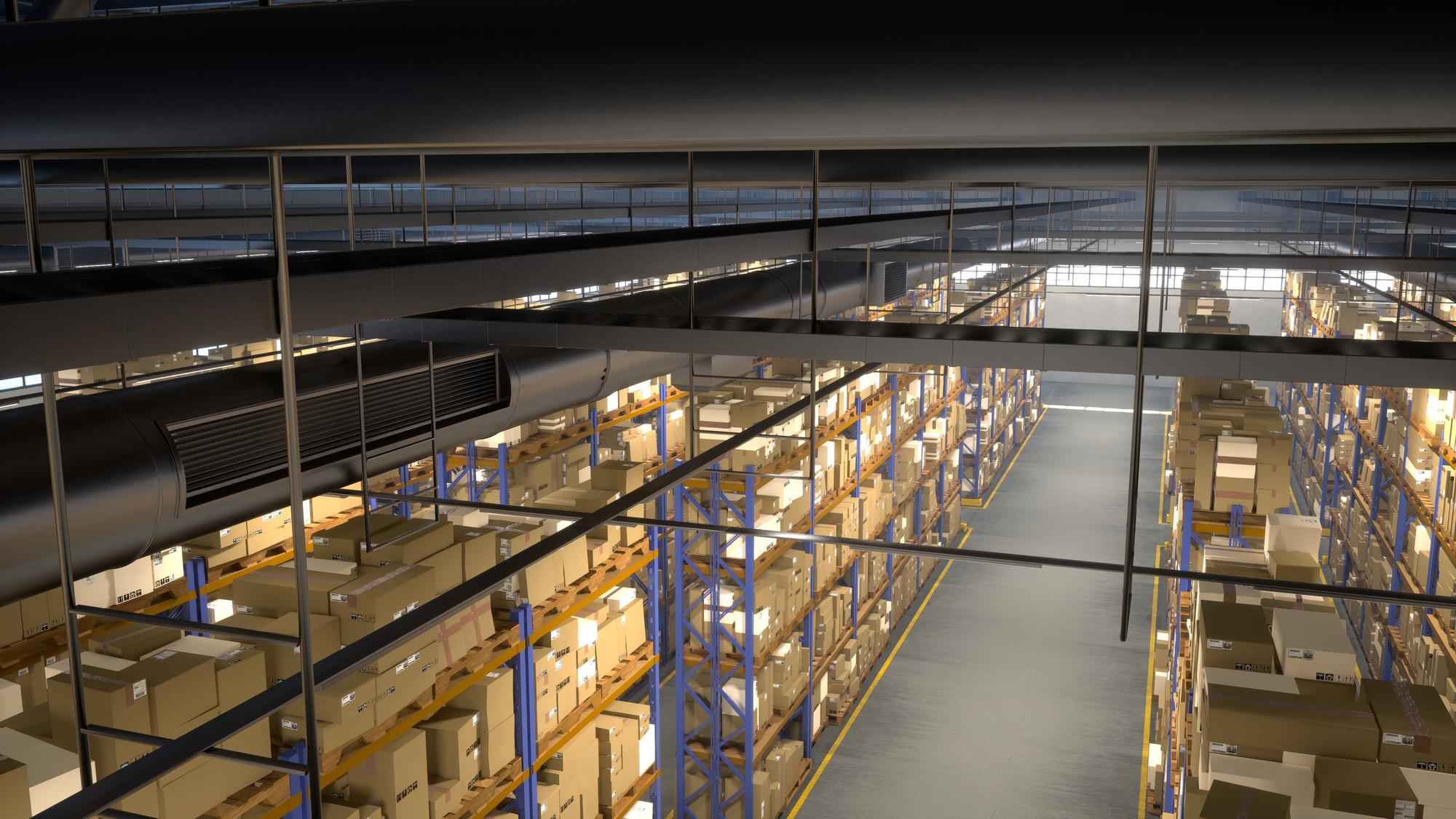
3PL logistics is gradually becoming the standard in e-commerce thanks to several advantages:
However, this approach also has drawbacks. Businesses lose direct control over physical operations involving their products. Owners cannot directly influence processes within an external team. All operations depend on the provider’s reliability and schedule, which may create reputational risks in case of errors or delays. In addition, initial system integration can be time-consuming and may require software implementation. Nevertheless, these disadvantages are usually outweighed by choosing a reliable operator.
Using a third-party logistics provider is especially beneficial for small and medium-sized businesses. Large e-commerce corporations can afford to invest in their own infrastructure, while startups and smaller companies often benefit more from outsourcing logistics operations.
A key feature of 3PL logistics is flexibility and adaptability to business needs. For example, consolidation services allow orders from multiple customers to be transported in the same vehicle. This helps small and medium-sized online stores reduce transportation costs by paying only for the space occupied by their products.
Returns logistics also plays a critical role in the 3PL model. The operator receives returned goods, sorts them, assesses their condition, and either returns them to inventory or disposes of them. Since e-commerce return rates can reach up to 22%, effective management of this process significantly impacts overall business profitability.
Logistics is a vital part of e-commerce. During import and export operations, it is important not only to move cargo across borders but also to establish efficient delivery to the end customer. By entrusting logistics to a reliable operator, businesses gain numerous advantages, including significant time savings. This allows teams to focus on strategic growth rather than routine operations. In today’s dynamic market, where speed and service quality matter most, choosing the right 3PL operator is a foundation for sustainable business growth.
3PL services are ideal for e-commerce stores, manufacturers, importers, distributors, and marketplace sellers. Outsourcing logistics allows businesses to scale operations without investing in their own warehouses, staff, or transportation infrastructure.
A standard 3PL service package usually includes receiving goods, warehousing, inventory management, order picking and packing, labeling, shipping, documentation support, and returns management. The exact range of services depends on the client's business requirements.
Businesses typically move to a 3PL when order volumes increase, expansion into new markets begins, logistics become too resource-intensive, or the company wants to reduce operating costs and focus on growth instead of fulfillment.
A transportation company mainly moves cargo from one location to another, while a 3PL provider manages the entire logistics process, including warehousing, inventory control, order fulfillment, shipping coordination, and returns management.



 Valid: