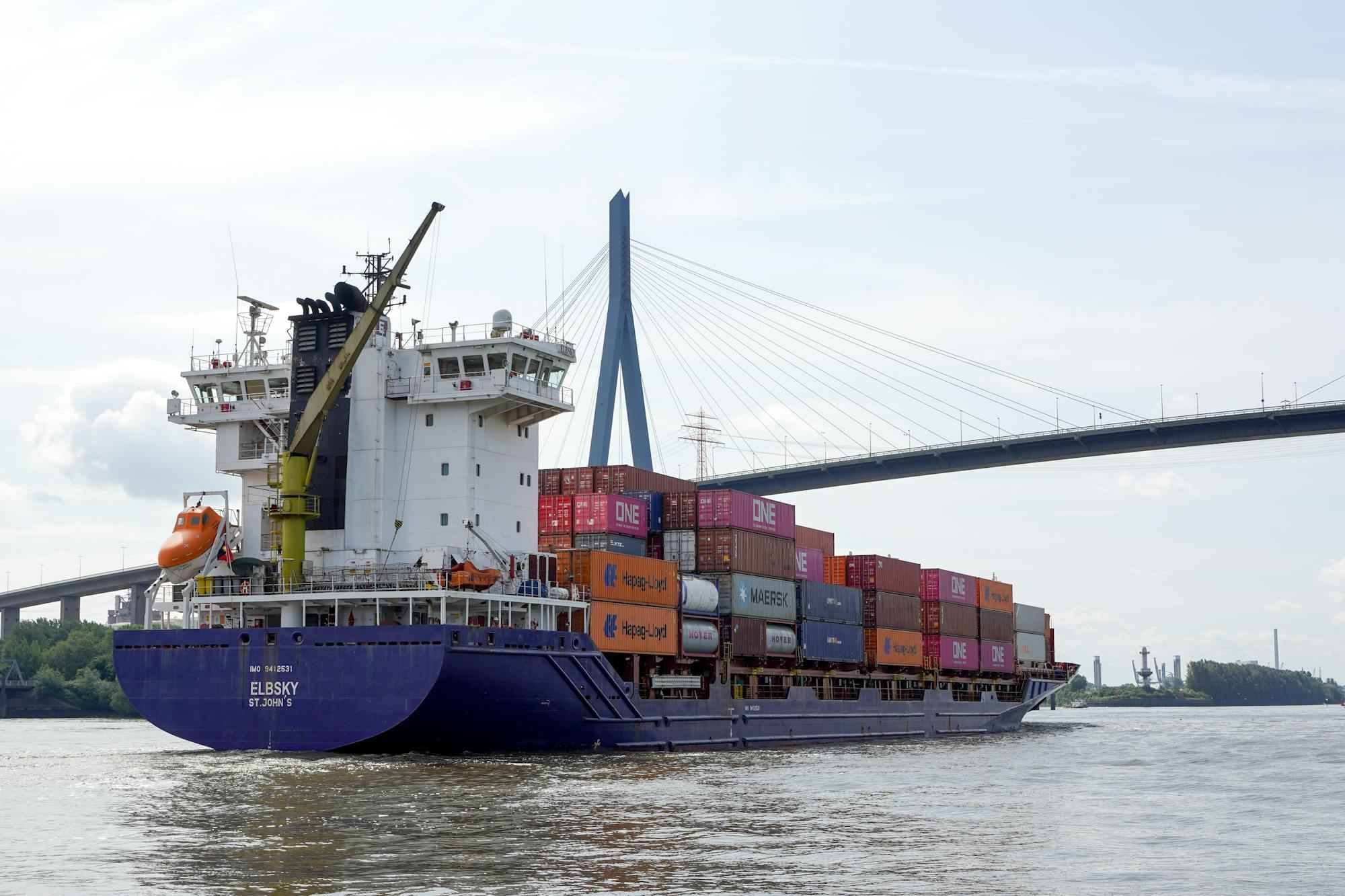
Sea transportation is considered the bloodstream of the global economy. According to approximate estimates, about 80–90% of all goods on store shelves have traveled across the ocean. Huge shipments of grain, oil, and hundreds of thousands of containers are transported thanks to the chartering mechanism.
In logistics, there are two ways of transporting goods by sea:
Ship chartering is an agreement in which one party (the shipowner) provides another party (the charterer) with a vessel or part of it for a certain period to perform a specific voyage.
To simplify what ship chartering is, it is essentially renting a vessel for transportation. The term originates from the German word “Fracht,” which means “cargo.” The key difference lies in responsibility and the volume of space. When chartering, you are not just buying space — you are operating the vessel’s capacity fully or partially. The shipowner (the one who leases you the vessel) does not bear direct responsibility for the safety of the cargo, unlike a carrier. Their task is to provide a seaworthy vessel and, in some cases, a crew.
First, let’s define the main terms:
Who charters vessels? In practice, the shipowner and the charterer rarely communicate directly. The process is handled by a charter broker. This is an expert with access to exchanges and up-to-date databases. The broker acts as a link between the parties in the transaction.
The party that wants to rent a vessel issues a chartering order to the broker. This document defines the urgency of the request. After that, the broker works based on an offer: firm — when the broker can conclude a deal without additional confirmation, and conditional — when details must be agreed upon.
A charter party is a paper or electronic document that records the chartering agreement — essentially a contract. It includes the details of the parties, vessel information, cargo description, route, deadlines, and laytime (the “free” time for loading and unloading).
In which cases is it beneficial to rent the entire vessel:
You may be wondering: is chartering related to Incoterms? Yes! Let’s explain with an example.
Imagine you are purchasing 10,000 tons of grain in Poland with delivery to Turkey under Incoterms FOB conditions. This means that you must find the vessel yourself. You contact a broker and conclude a voyage charter agreement. Now you become the charterer. Once the grain is loaded on board, the captain issues a bill of lading to the seller. After payment, it is transferred to you. This allows you to claim your cargo in Turkey.
In simple terms, without understanding Incoterms, you will not know whether you are required to charter anything at all, and without a bill of lading, you cannot prove ownership of the goods.
The choice depends on your experience in maritime logistics and what costs you are ready to take on.
The vessel is hired for a specific shipment from port A to port B. The owner pays for fuel, crew maintenance, and insurance. The charterer pays based on cargo volume or a fixed rate per voyage.
This is the chartering of a cargo vessel for a specific period — days, weeks, or months. The vessel is fully at the disposal of the charterer within the agreed region. Payment is made per day of use. The shipowner covers crew salaries and technical maintenance, while the charterer pays for fuel and port charges. This format is suitable for large companies that require a постоянный fleet for cargo transportation.
This involves hiring a vessel without a crew. In fact, the charterer becomes the temporary operator of the vessel for the duration of the contract. All expenses fall on the charterer, along with lease payments to the owner. This option is often used by large logistics operators to expand their fleet without purchasing vessels.
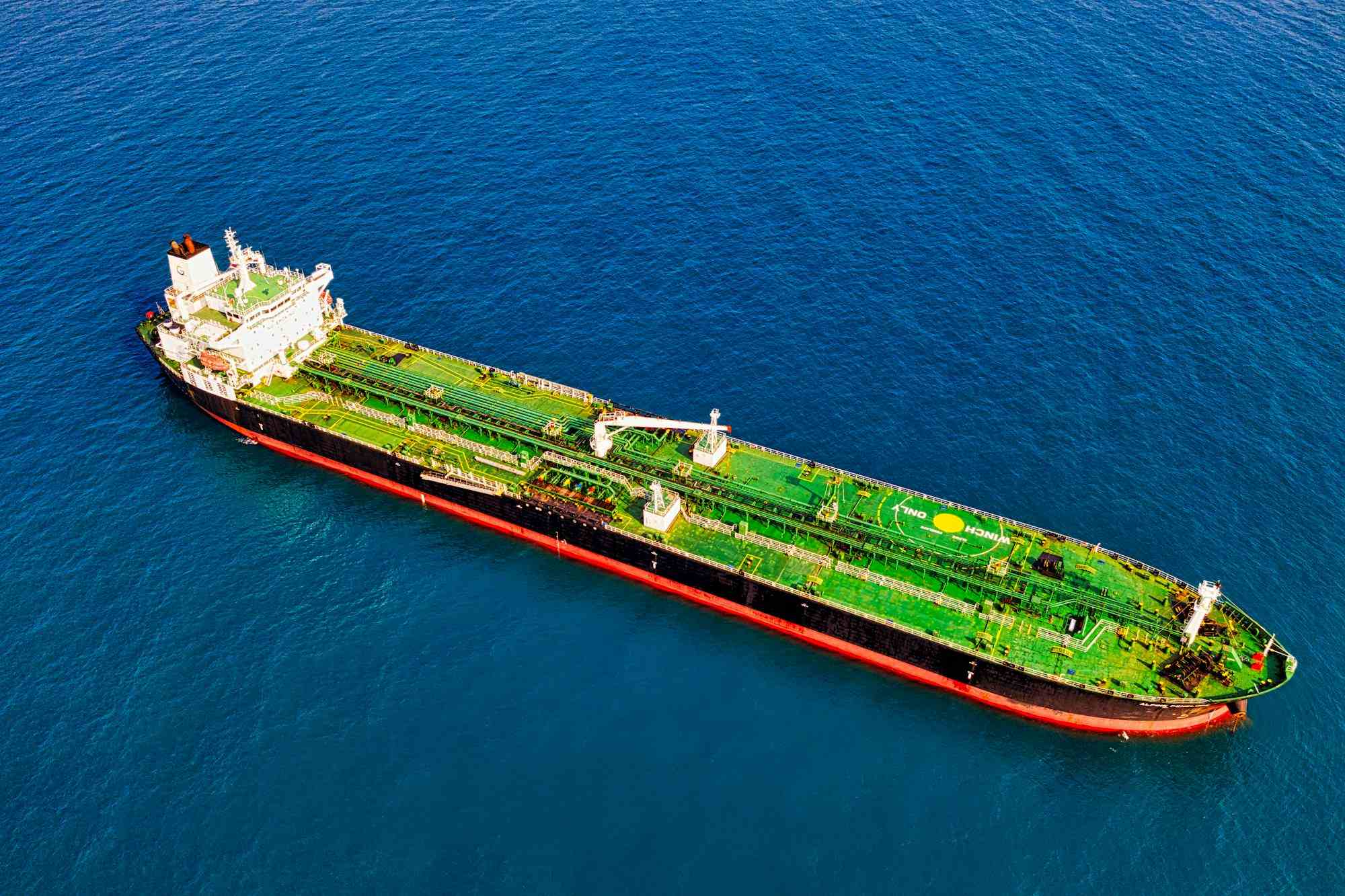
International sea logistics services handle almost all types of goods:
Technically, almost anything can be delivered by sea, but for some goods it is less practical:
For such cargo, air freight is usually the preferred option.
In shipping, freight is a dynamic value. A significant part of it (about 10–30%) consists of stevedoring operations, i.e., loading and unloading. To define who pays for what, the following abbreviations are used:
You should also consider THC — the terminal handling charge for container processing in the port.
Ship chartering is not a universal solution. However, if you need to rent an entire vessel for export or import operations, here are several important recommendations:
DiFFreight specialists will provide консультации on vessel chartering, help you choose the most suitable format of cooperation, and offer individual solutions for delivering your cargo. We carry out sea transportation from China, the USA, Europe, and in the reverse direction with transit routes.
Want to learn more? Submit a request on the website or order a callback — entrust your logistics to experts!
Ship chartering is the process of renting a vessel or part of its cargo space for sea transportation. The charterer uses the ship to transport goods along a specific route under agreed conditions.
The main types are voyage charter, time charter, and bareboat charter. They differ in rental duration, cost distribution, and responsibilities between the shipowner and the charterer.
Chartering a full vessel is beneficial for large cargo volumes, non-standard shipping routes, or regular international deliveries. It helps businesses optimize logistics and maintain delivery schedules.
The cost depends on the vessel type, shipping route, season, cargo volume, port fees, and loading or unloading expenses. Global shipping market conditions also significantly influence freight rates.







 Valid: