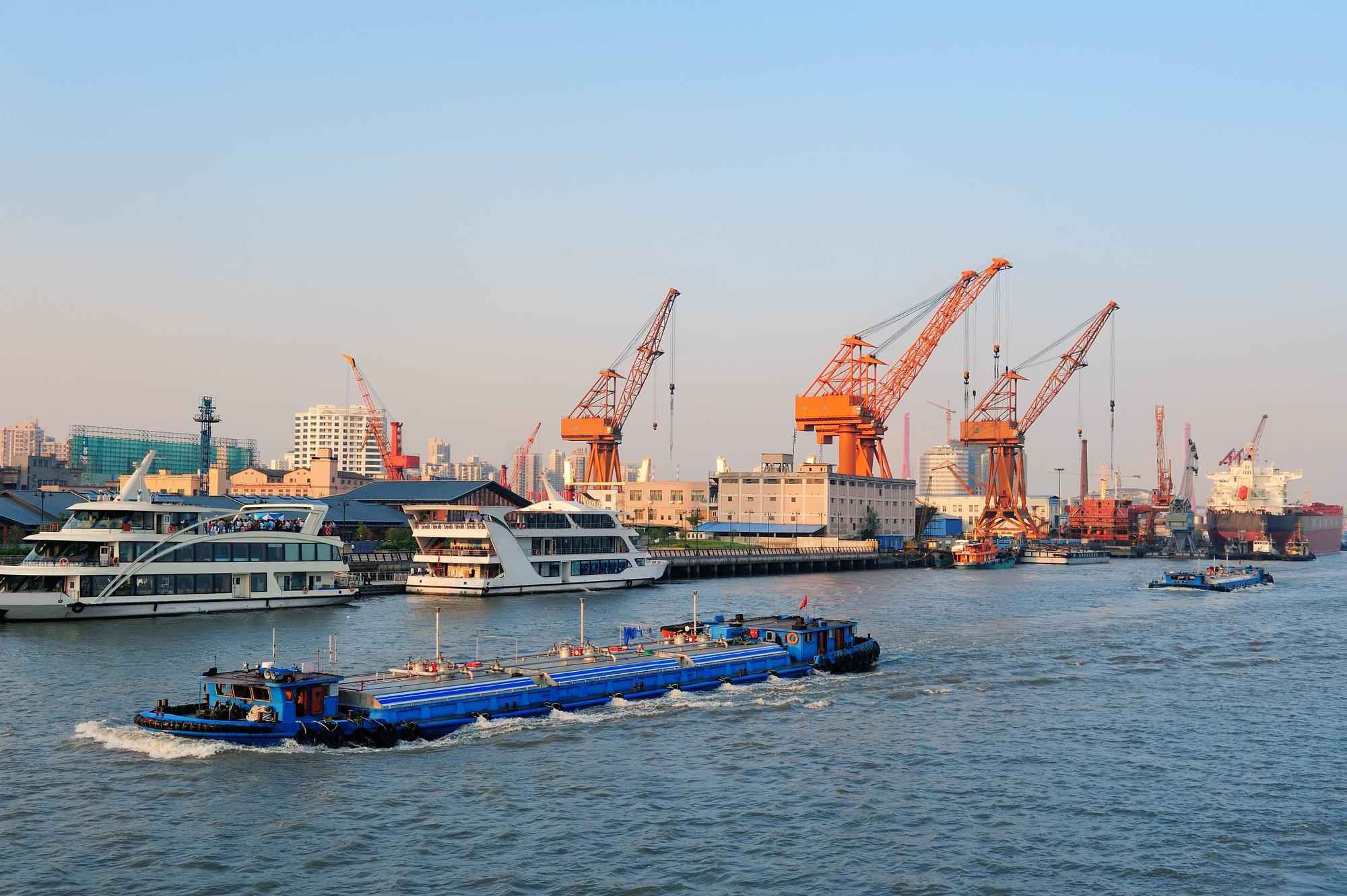
If your business is connected with imports or exports, there is a high probability that you have used container shipping services. More than 80% of goods worldwide are transported by sea, and this “floating logistics” industry operates under a well-defined set of rules. Here are the key points every entrepreneur should know.
The ocean belongs to everyone and no one at the same time, which is why countries agreed on common rules. Their purpose is to regulate international logistics services and prevent shipping from becoming chaotic. There are three main pillars:
What exactly do these rules regulate? Virtually everything: maritime boundaries, vessel registration, seafarers’ labor rights, shipping contracts, and most importantly for businesses, cargo liability in case of accidents.
International transportation is highly complex: a Ukrainian company buys equipment from China, the vessel belongs to a Greek shipowner, and the insurance policy is issued by a company in London. If something happens to the cargo, which country’s court should handle the dispute? Without maritime law, logistics would reach a dead end. Here is why it matters for businesses:
Modern maritime law serves as a global standard followed by participants in international sea trade.
The main advantage is lower costs and simplified logistics. Supply chain participants do not need to study the laws of every country a vessel visits. International conventions and agreements:
Maritime law applies to the entire civilian sector, including commercial, passenger, fishing, and research fleets. Commercial maritime regulations do not apply to naval vessels, border patrol boats, or customs ships, which enjoy sovereign immunity.
Ukrainian legislation is largely harmonized with international standards. The country operates under the Merchant Shipping Code of Ukraine. Legal practice is based on:
Ukrainian legislation includes provisions similar to the Hague-Visby Rules governing bills of lading. However, these rules do not apply automatically because Ukraine is not a party to the convention.
A bill of lading performs three important functions: it serves as a receipt, a contract of carriage, and a document of title. We recommend reading our article about the role of bills of lading.
Businesses often use international standard forms when concluding contracts. This saves time and reduces legal risks.
A vessel operates far from the cargo owner, making the captain the key figure responsible for the ship, crew, and cargo. Decisions such as throwing containers overboard or changing course in dangerous conditions are legally valid.
Maritime chartering does not exist independently because vessels are hired to transport sold goods. Therefore, maritime law takes into account the interests of sellers, buyers, and carriers alike.
The Law on Seaports of Ukraine establishes the rules governing port infrastructure. It defines management principles, state regulation of port construction, expansion, opening, and closure. It also regulates service provision within ports and cooperation with private investors and terminal operators.
Due to the war against Russia, Ukrainian maritime law has undergone significant changes. Special regulations apply within Ukraine’s maritime economic zone and territorial waters, including rules governing grain corridors for civilian vessels and compensation mechanisms for damages.
Despite a comprehensive system of rules and conventions, disputes frequently arise in maritime logistics. Most are resolved not in state courts but through arbitration. Arbitrators are experts with extensive practical experience in maritime disputes.
One of the world’s leading maritime arbitration centers is London (LMAA). Most standard shipping contracts include a clause stating: “All disputes shall be resolved in London under English law.”
Ukraine also has the Maritime Arbitration Commission (MAC) at the Ukrainian Chamber of Commerce and Industry. This independent institution handles disputes involving foreign parties. Litigation in Ukraine is often faster and less expensive than proceedings in the United Kingdom.
Entrepreneurs do not need to memorize every provision of international conventions. However, a general understanding of maritime law helps businesses operate with greater confidence, especially regarding insurance, cargo protection, and arbitration matters.
International maritime law is primarily governed by conventions such as UNCLOS, SOLAS, and MARPOL, which regulate navigation rights, shipping safety, environmental protection, and liability issues.
Maritime law establishes common rules for international cargo transportation, defines carrier responsibilities, and provides legal mechanisms for resolving trade disputes.
A Bill of Lading (B/L) is a key shipping document that serves as proof of cargo receipt, a contract of carriage, and a document of title for the goods being transported.
Most international shipping disputes are settled through maritime arbitration. Popular venues include London maritime arbitration institutions, while Ukraine has the Maritime Arbitration Commission at the Ukrainian Chamber of Commerce and Industry.







 Valid: