Amazon Canada offers excellent opportunities for new sellers because the market is not as saturated as the U.S. marketplace. E-commerce sales in the country continue to grow, making Amazon Canada a promising option for both beginners and experienced entrepreneurs.
The registration process depends on your current status.
Amazon offers two selling plans.
The first is the Individual Plan, which charges a fee for every item sold but does not require a monthly subscription. It is recommended for sellers who expect to sell up to 30 units per month.
The second is the Professional Plan. Sellers pay a fixed monthly subscription regardless of sales volume. This plan provides access to advanced marketing tools, detailed analytics, and advertising management (PPC).
A business license is generally not required for non-residents, although requirements depend on your business model and product categories.
The next step is account verification. You will need:
Canada has a well-developed tax system. It includes:
The HST rate varies by province. If your sales exceed CAD 30,000 within a 12-month period, you should register with the Canada Revenue Agency (CRA), obtain a tax number, and begin filing tax returns.
It is recommended to calculate your business performance, logistics expenses, and marketing budget in Canadian dollars (CAD). Do not underestimate exchange rate fluctuations—they can significantly affect your profit calculations.
Selling on Amazon Canada requires careful demand analysis, product localization, and consideration of the local economy. Some of the most promising product categories include:
If you import products from China to Canada, plan your purchasing schedule carefully. First, shipping distances are considerable. Second, weather conditions may affect last-mile delivery. Keeping a small inventory buffer in local warehouses helps prevent stock shortages during peak selling seasons.
How can you deliver products to the end customer? Sellers have two options:
The FBA program operates through Amazon's network of fulfillment centers. According to the latest data, Canada has around 18 fulfillment centers located across the provinces of Ontario, British Columbia, Alberta, and Quebec.
Using Amazon FBA offers several advantages:
Another option for brands already operating in the United States is Remote Fulfillment with FBA. This program allows sellers to offer products that are physically stored in U.S. fulfillment centers. Delivery times increase to approximately 7–12 days, and customers may also be responsible for paying import duties.
There is also a drawback related to product returns, as returned items are not stored at Canadian fulfillment centers. Amazon's return processing fees may be higher than those for local FBA fulfillment. Therefore, Remote Fulfillment with FBA is generally not recommended for product categories with high return rates, such as apparel, footwear, and seasonal products.
Shipping goods from Ukraine to Canada remains a challenge for Ukrainian businesses. DiFFreight offers both sea and air freight solutions while preparing products to meet Amazon FBA requirements, including weight verification, labeling, and palletizing.
Amazon Canada's algorithms are virtually identical to those used in the U.S. marketplace. However, because competition is less intense, advertising costs are generally lower than in the United States. In addition, many product categories experience less aggressive price competition, allowing even new sellers to avoid excessive price dumping.
Here are several effective strategies for improving conversion rates.
Canadians use the metric system (centimeters, kilograms, and degrees Celsius). There are also local language preferences. For example, Canadians commonly refer to a knitted winter hat as a toque rather than a beanie.
Canada is also a bilingual country. Translating your listings into French can help attract customers from the province of Quebec.
Both Amazon and Canadian shoppers appreciate infographics that clearly demonstrate a product's key features, practicality, and durability.
Improve your listing visuals by using:
Continuously monitor which products generate the highest sales and receive the best customer reviews. During the early stages of your business, removing slow-moving products can improve your overall account performance.
Selling products under your own brand helps differentiate you from competitors. You do not necessarily need your own manufacturing facility—Chinese factories offer extensive customization options and can manufacture products according to your specifications.
Amazon Canada is considered one of the best marketplaces for launching an e-commerce business. Compared to the U.S. market, competition is significantly lower, allowing sellers to learn the platform's algorithms and grow their business without excessive competitive pressure.
However, success still depends on understanding Canada's tax system, adapting to local market conditions, and organizing an efficient last-mile delivery strategy.
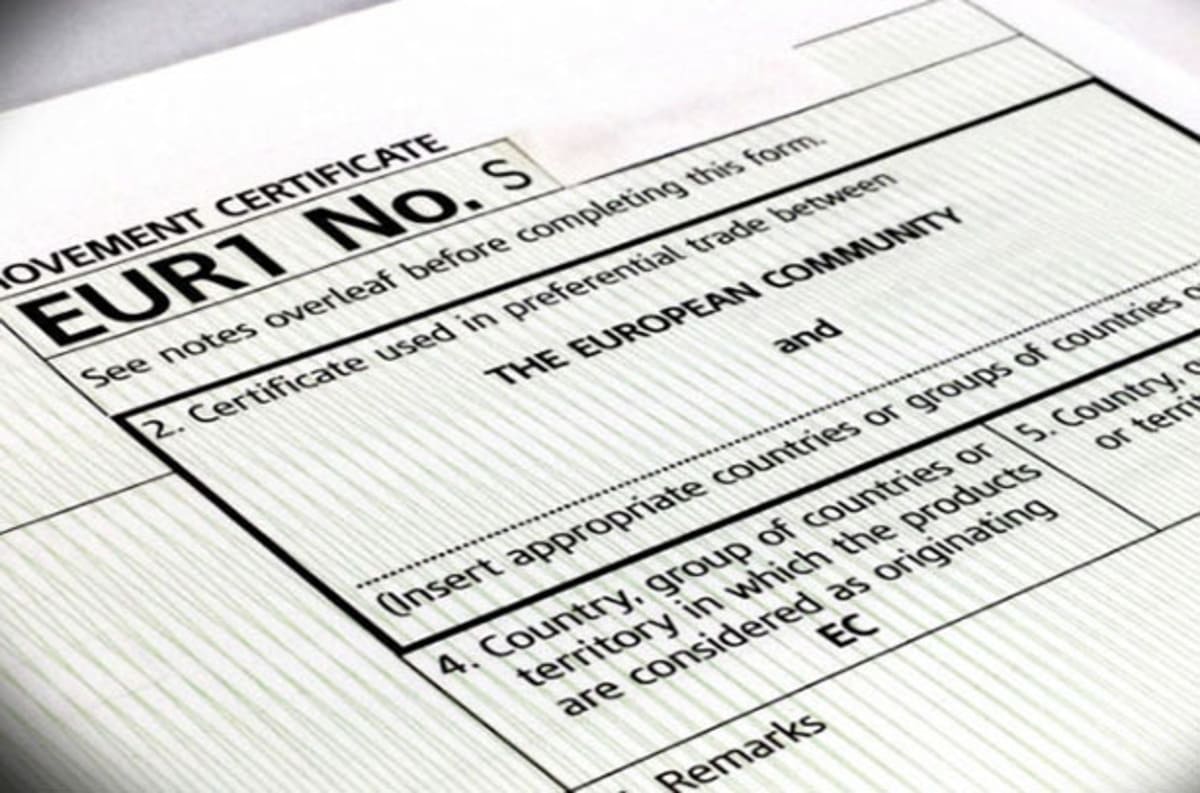
Yes. For certain categories, including children's products, electronics, cosmetics, and medical devices, Amazon may require compliance certificates and product safety documentation. It's best to prepare these before your first shipment.
Ocean freight is the most economical option for large shipments, while air freight is better suited for urgent or smaller orders. The right choice depends on your budget, product value, and inventory planning.
Yes. Many international sellers operate through an Amazon Seller account and use logistics providers that assist with shipping, customs clearance, and document preparation.
Make sure your products meet Amazon FBA packaging and FNSKU labeling requirements, prepare all required documentation, and schedule warehouse delivery in advance. Proper preparation helps prevent shipment rejection and unnecessary delays.
.jpg)




 Valid: